Views: 0 Author: Site Editor Publish Time: 2026-10-30 Origin: Site
Picture this highly relatable scenario. You are lounging around a crackling campfire after an exhausting day of backcountry hiking. You lean back slightly to grab a cold drink from your cooler. Suddenly, you are tipping backward into the dirt, the victim of a wobbly seat. This jarring frustration instantly ruins the peaceful relaxation of nature.
When shopping for gear, many buyers focus exclusively on static weight capacity or vibrant fabric colors. They might prioritize the inclusion of handy cup holders. While these features certainly add convenience, they completely mask the single most crucial factor for safety and long-term comfort, which is the frame geometry. The structural blueprint dictates exactly how a portable camping chair, folding director chair, moon chair, or standard outdoor chair handles dynamic human weight and unpredictable terrain. Specifically, the way the legs, seat, and backrest intersect determines load distribution.
This guide breaks down the underlying physics of seating stability and compares common structural designs. By understanding the biomechanics and engineering behind these portable products, you can make an informed, objective buying decision that prioritizes your safety in the wild.
To truly understand why some seats feel rock-solid while others feel dangerously unstable, we must first look at the basic physics of load distribution from a structural engineering perspective.
Understanding Center of Gravity
When a portable camping chair sits empty, its center of gravity is relatively low to the ground. While an empty chair might occasionally tip over in a strong gust of wind, its structural limits are truly tested when occupied. The moment a seated person is added to the equation, that combined center of mass shifts upward significantly. Consequently, the higher the seat is elevated off the dirt, the higher this center of gravity becomes. In mechanical physics, a higher center of gravity creates a longer moment arm. This means that even a slight lateral movement generates more torque, making the entire structure inherently more prone to tipping over.
The Role of the Support Polygon
In the realm of structural engineering, overall stability is determined by the polygon of support. This is the imaginary geometric shape created by drawing lines between the chair points of contact with the earth. A wider distance between the four legs creates a much larger footprint. As long as the shifting weight of the user remains vertically aligned within the borders of this polygon, they remain upright and secure. Conversely, if you lean too far and your center of gravity crosses outside this invisible boundary, gravity takes over and tipping is inevitable.
Weight Distribution and Cross-Bracing
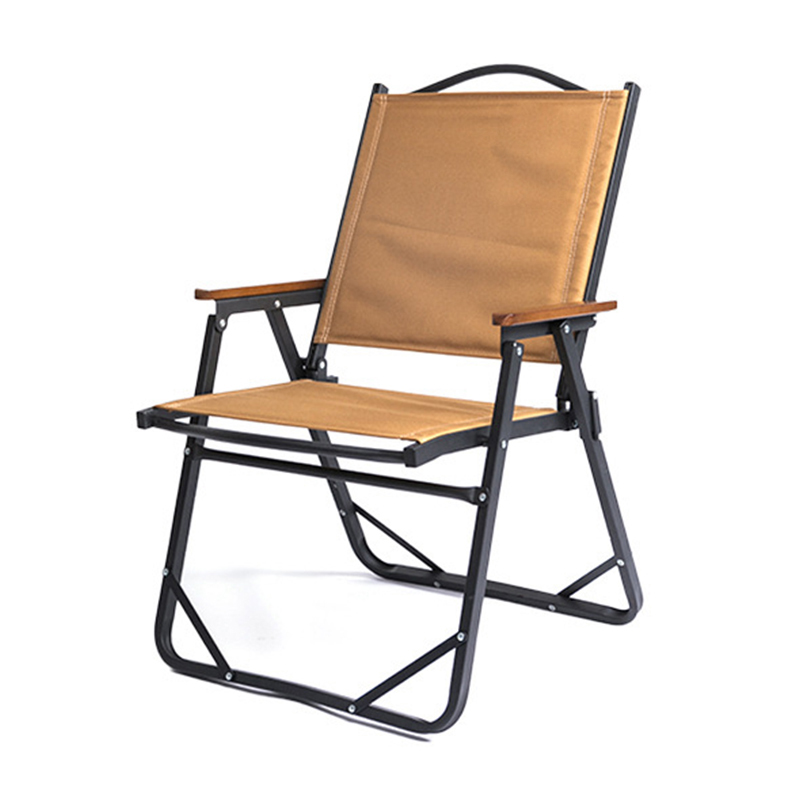
Furthermore, effective frame geometry utilizes diagonal cross-bracing to form triangles, which are the strongest geometric shape. Combined with tightly tensioned fabrics—typically robust single or double-layer 600D Oxford cloth, or occasionally canvas and polyester—this design distributes a person’s weight evenly across all four legs. This critical design element prevents the downward load from concentrating on a single weak pivot point. It ensures structural integrity even under dynamic, shifting movements.
Building upon those fundamental physics, different manufacturing designs utilize distinct geometric principles to achieve their stability. Each manipulates the polygon of support differently based on the intended outdoor environment.
The classic quad-fold frame is the ubiquitous tubular, collapsible design that folds inward toward a central axis, much like an umbrella. It is incredibly easy to deploy and is frequently used in highly comfortable moon chairs. It generally offers a broad, square base that provides a large polygon of support when fully tensioned. Because of its efficient folding mechanism, it boasts a remarkably small storage volume, making it exceptionally easy to tuck away in a car trunk or carry by hand.
In contrast, the X-frame utilizes intersecting metal loops or reinforced bars that cross to form an X shape. This configuration provides incredible side-to-side lateral stability. The rigid geometry makes it an excellent choice for a portable metal camping chair or classic folding director chair intended for reliable, repeated use. Many of these models feature thickened carbon steel or aluminum tubes. Rather than using plastic components, they often feature premium wooden armrests that enhance both durability and aesthetics. The robust nature of the X-frame makes it highly dependable for everyday outdoor relaxation.
While some ultralight models utilize shock-corded hub-and-pole systems that require manual piecing together, they often rely on a much narrower footprint to save weight. This narrow base can sometimes feel less stable. For users prioritizing instant deployment and reassuring stability, the wider bases of standard folding director chairs and moon chairs remain the undisputed primary choice.
Industry Trend Analysis: The Shift to Premium Materials
Recent industry trend analyses reveal a shift toward combining lightweight portability with sophisticated aesthetics. Manufacturers are moving beyond basic tubular frames, increasingly utilizing advanced aluminum alloy with highly realistic wood grain surface treatments. This provides the aesthetic warmth of wood with the lightweight benefits of metal. Simultaneously, there is a dedicated market for true solid wood frames, carved from sturdy beech or oak, offering an independent material choice that caters to campers seeking authentic, natural craftsmanship.
| Frame Type | Best For | Stability Mechanism | Pros | Cons |
|---|---|---|---|---|
| Quad-Fold (Moon Chairs) | Versatile outdoor use, picnics | Wide, square support polygon | Small storage volume, effortless deployment | Hinges require occasional maintenance |
| X-Frame (Director Chairs) | Everyday outdoor seating, camping | Rigid diagonal cross-bracing | Maximum lateral stability, flat folding | Requires a slightly wider trunk space when folded |
| Hub-and-Pole | Ultralight backpacking | Central load hub | Very light | Requires manual assembly, narrower base can feel tippy |
Beyond the overarching frame shape, the precise angle at which the legs meet the ground serves as a critical component of your safety profile.
A common misconception is that straight, vertical legs are the strongest. While they do transfer weight efficiently straight down, they are exceptionally poor at handling lateral shifts. They act as a simple pivot point the moment you lean over. In rugged outdoor environments, legs that angle outward, known as splayed legs, are structurally superior. Splaying pushes the ground contact points much further away from the center of mass. This artificially enlarges the polygon of support acting as a buttress against tipping forces, all without adding extra, cumbersome metal to the overall footprint.
Carefully calculated geometry is instantly compromised if one leg suddenly sinks into soft forest loam or sand while the others remain on solid rock. This tilts the entire apparatus, shifting the center of gravity dangerously close to the edge of the support footprint. To combat this, premium designs incorporate broad anti-sink feet or utilize continuous U-shaped base bars. These features maximize surface area to reduce ground pressure, preventing the chair from piercing the earth and maintaining the intended geometric angles regardless of how soft the terrain might be.
While base width is vital, the upper proportions of the seat also fundamentally alter the leverage dynamics of the entire structure.
A taller backrest acts precisely like a longer lever arm in physics, with the rear leg joints acting as the fulcrum. If you lean back to gaze at the stars in a high back canvas camping chair, your upper torso puts immense, multiplied pressure on the rear legs. To successfully counteract this leverage effect, manufacturers must engineer the product with specific geometric compensation. Usually, this is achieved by extending the rear legs significantly further backward. This increases the rear footprint to safely capture that shifted center of mass even when fully reclined.
A geometric design does not exist in a vacuum. It interacts directly with the physical properties of the frame. The way a material yields or remains rigid under stress determines how those carefully engineered angles perform in the real world.
When constructing robust frames, manufacturers frequently turn to carbon steel. Steel is exceptionally rigid and refuses to yield easily under pressure. This means the engineered geometry remains highly stable under load. For users seeking a rock-solid seat, carbon steel ensures that the structural angles do not warp or degrade over years of aggressive use.
On the other end of the metal spectrum, an aluminum folding camping chair offers immense practical value. The true benefit of an aluminum alloy frame is its portability—its incredibly light weight and compact storage volume make it exceptionally easy to carry and pack away. Often treated with a beautiful wood grain finish, aluminum frames combine a natural aesthetic with modern engineering. Paired with durable 600D Oxford fabric, aluminum chairs offer an outstanding balance of strength and effortless transport.
Distinct from wood-grained aluminum, authentic solid wood frames carved from premium beech or oak provide a completely different tactile experience. Solid wood acts as an independent material category that offers excellent structural rigidity and a classic, handsome appearance. Wood frames, naturally complemented by sturdy wooden armrests rather than plastic, provide substantial support and timeless durability for any outdoor setup.
Ultimately, a piece of outdoor furniture is only as stable as the ground beneath it. Matching your chosen frame geometry to your typical camping environment is a non-negotiable step for optimal comfort.
For sandy beaches or muddy riverbanks, individual, pointed legs act just like spears. They easily pierce the ground and ruin balance. In these loose environments, U-shaped bottom bars, often referred to as sled bases, are highly recommended. By connecting the front and rear legs with a continuous, flat metal tube, user weight is distributed over a massive surface area. This drastically lowers the pounds per square inch exerted on the earth, preventing sinking and keeping the intended geometric angles perfectly intact.
Conversely, if you are setting up camp in a more rugged zone, rigid structures like flat sled bases might teeter. In these scenarios, quad-fold moon chairs with independent legs adapt easily. Their splayed legs find stable resting positions over unpredictable ground, ensuring that you remain secure while enjoying the scenery.
Armed with this knowledge of physics and materials, you can look well beyond the marketing spec sheet. You can critically examine the physical engineering of your next purchase.
The most immediate indicator of sound frame geometry is the wiggle test. If you are evaluating a camping chair in a physical store, sit down, plant your feet flat, and intentionally shift your hips aggressively from side to side, then front to back. A brilliantly engineered carbon steel, aluminum, or solid beech frame with a wide polygon of support will fiercely resist this lateral sway. If shopping online, look for reviews praising its planted feel and compact folded dimensions.
Remember that the most mathematically perfect geometric design in the world will fail if the connection points are weak. Guide your purchasing decision toward models that utilize heavy-duty solid steel rivets and reinforced hinges. Pay attention to the fabric; look for resilient single or double-layer 600D Oxford cloth, canvas, or polyester. Finally, examine the armrests. Actively avoid cheap plastics, and opt instead for models equipped with smooth, sturdy wooden armrests.
Buying a reliable outdoor seat requires an appreciation for smart structural engineering rather than just eye-catching aesthetics. The physics of load distribution, the shape of the frame, and the angle of the legs all work together to keep you safely upright.
Always take the time to match the geometry to your specific outdoor lifestyle. A rigid X-frame director chair is a phenomenal choice for versatile everyday use. Meanwhile, a splayed-leg quad-fold moon chair offers a compact storage volume and incredible comfort. If you are ready to upgrade your outdoor gear, explore the expertly curated collection at szmaitop.com to find stable, well-engineered portable chairs that perfectly balance comfort, safety, and durability for your next grand adventure.
Generally, X-frame folding director chairs with a wide footprint are exceptionally stable due to their rigid cross-bracing. For varied terrain, quad-fold moon chairs with splayed legs are highly stable because their geometry adapts well to different ground levels.
Yes, aluminum alloy frames are highly prized for their portability. Their main advantages are an incredibly light carrying weight and a minimal folded storage volume, making them extremely convenient to transport without sacrificing structural integrity.
If your chair has independent legs, you can attach aftermarket anti-sink feet. Alternatively, purchase a chair featuring a U-shaped continuous leg frame or sled base, which naturally distributes your weight over a much larger surface area to prevent sinking in loose sand.
This happens because the taller backrest shifts the user's center of gravity higher and further backward, acting like a long lever. If the rear legs of the chair are not engineered with a severe enough backward angle to compensate for this increased leverage, the chair can become top-heavy when you lean back.
The most reliable and durable seat fabrics are single or double-layer 600D Oxford cloth. Canvas and polyester are also excellent, hard-wearing choices that maintain proper tension across the chair frame to ensure balanced weight distribution.
Yes, seat height plays a massive role in stability. A lower seat height keeps your center of gravity closer to the ground, significantly reducing the leverage that causes tipping. Taller seats require a proportionately wider base footprint to maintain the same level of stability.