Views: 0 Author: Site Editor Publish Time: 2026-07-17 Origin: Site
Most outdoor furniture looks visually stunning in perfectly staged catalog photos. Yet these same pieces often fail completely during real-world application. Sitting outside should be a deeply restful experience. Sadly, buyers frequently endure sagging cushions, poor lumbar support, or hardware rotting away after a single season. Replacing low-quality patio seating every two years wastes significant environmental resources. It also creates a frustrating cycle of ongoing replacements. This guide bypasses clever aesthetic marketing claims to provide a genuinely structural and ergonomic framework. We will explore how to evaluate outdoor seating objectively based on proven material science. You will learn exactly which materials, dimensions, and structural designs guarantee long-term comfort and durability.
True comfort relies on measurable ergonomics: optimal seat depth (20–24 inches), a slight backward pitch, and adequate lumbar support.
Material dictates lifespan: prioritizing rust-proof metals and UV-resistant fabrics prevents premature degradation.
The intended use case—whether static patio lounging or portable outdoor use—dictates whether you need deep-seating cushions or a structured, breathable mesh frame.
Always check the warranty and structural weight limits; these are the most reliable indicators of build quality.
Comfort is rarely accidental. It stems from deliberate engineering and precise, measurable dimensions. When assessing seating, we must look beyond visual appeal entirely. We need to evaluate the physical interaction between the human body and the rigid frame. Ergonomic principles dictate exactly how long you can sit before experiencing muscle fatigue.
A truly relaxing posture requires specific physical support mechanisms. An optimal seat depth ranges from 20 to 24 inches. This specific measurement allows you to lounge properly. It provides ample thigh support without digging into the back of your knees. Restricting blood circulation at the knee quickly leads to numbness and severe discomfort. The backrest angle also plays a vital role in bodily relaxation. It should feature a slight backward pitch. A recline of 15 to 20 degrees encourages your spine to decompress naturally. Rigid 90-degree angles force an unnatural upright posture. This leads directly to lower back strain during extended lounging sessions.
Upper body alignment matters just as much as lower body positioning. Continuous relaxation demands proper support for your upper spine. Many standard patio seats terminate mid-back. This design leaves your head and neck entirely unsupported. A well-designed high back outdoor chair is critical for extended relaxation. It provides a dedicated resting place for your head. Taller individuals especially benefit from this extended backrest profile. It prevents the neck muscles from constantly firing to keep the heavy head upright. By supporting the cervical spine, your entire body can fully disengage and relax into the frame.
Manufacturers typically use two distinct mechanisms to deliver comfort. Both approaches have distinct advantages depending on your specific environmental needs. High-density foam cushions offer luxurious plushness. They contour exactly to your unique body shape. However, they require careful maintenance and durable fabric wrapping. Conversely, suspended Textilene mesh provides an entirely different seating experience. The synthetic material stretches tightly across the rigid frame. This creates firm, breathable, and highly ergonomic support. Mesh eliminates the need for bulky cushions entirely. It also promotes excellent airflow during sweltering summer afternoons.
Comfort Mechanism Comparison
Comfort Mechanism | Primary Benefit | Maintenance Level | Best Climate Application |
|---|---|---|---|
High-Density Foam Cushions | Maximum plushness and body contouring | High (requires covering or storing during rain) | Covered patios, temperate climates |
Suspended Mesh (Textilene) | Firm ergonomic support, excellent airflow | Low (can be easily hosed off) | Humid, coastal, or high-heat environments |
The physical construction of your furniture directly dictates its functional lifespan. We must assess durability through the strict lens of material science. Various climates exert drastically different stresses on outdoor furniture. Sun, salt, and heavy rain quickly break down inferior materials.
Metals and woods behave very differently when left outside constantly. It is imperative to categorize frames by their structural reality to make an informed purchase.
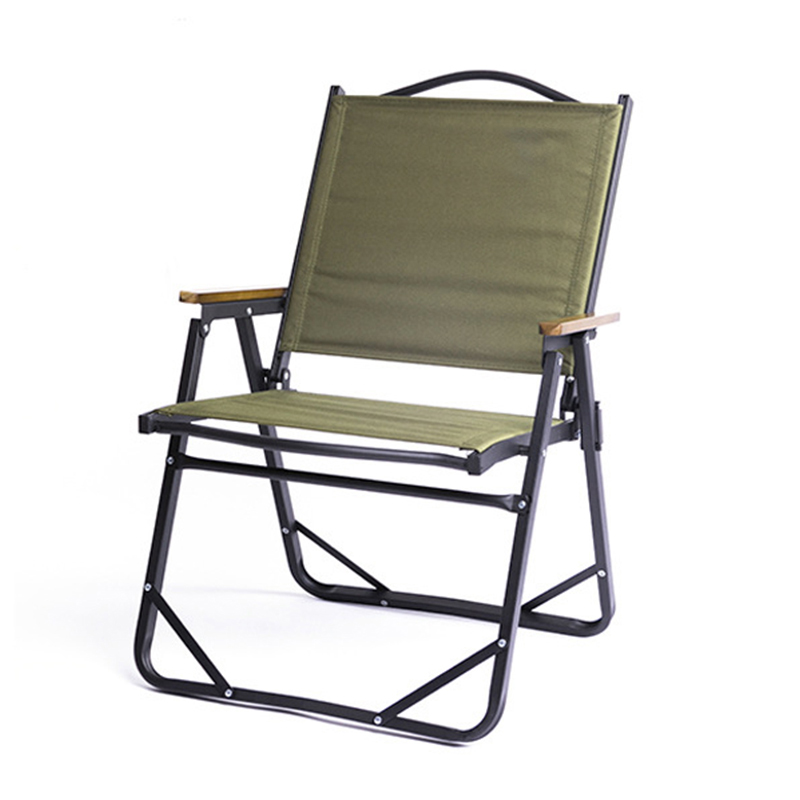
Serving as the mainstream choice for outdoor seating, an aluminum folding chair provides a vastly superior experience for challenging climates. Aluminum alloy is inherently lightweight, robust, and easy to move. More importantly, it is naturally rust-proof. When aluminum oxidizes, it simply forms a protective transparent layer, making it ideal for coastal or highly humid environments.
When enhanced weight-bearing strength is required, carbon steel frames excel. They resist bending under heavy daily loads and provide immense structural confidence. However, steel remains highly susceptible to severe rust if the protective powder coating scratches. Moisture easily penetrates the scratch and oxidizes the raw metal beneath, requiring mindful maintenance.
For those seeking a decorative, nature-inspired aesthetic, wood or wood-grain frames are highly sought after. In the past, buyers were misled by redundant and confusing classifications like separating pure aluminum, wood-grain aluminum, and folding aluminum. Today, we must eliminate these essentially repetitive categories. The unified, modern standard relies on an aluminum alloy core combined with a specialized surface finish (where the wood grain is purely an aesthetic coating). This intelligent design offers the visual warmth of natural wood—such as teak or acacia—without demanding frequent chemical sealing or risking internal rot, while retaining less heat than dark metals during peak summer sun.
Consumers must completely separate fabric specifications from frame structures, as the upholstery performs an entirely distinct ergonomic function. True fabric longevity requires utilizing the correct structural weave for your specific climate. Heavy skepticism is advised toward generic "water-resistant" marketing claims, which often rely on temporary chemical sprays that wash away after heavy rainstorms. Premium fabrics utilize solution-dyed acrylics where pigment exists throughout the thread, preventing severe UV degradation.
As the mainstream standard for heavy-duty and portable seating, 600D Oxford fabric delivers incredible durability and profound tear resistance. Tightly woven to withstand significant body weight and continuous physical friction, it provides unyielding support and long-lasting reliability for active outdoor usage.
Engineered as a ventilation-focused material, polyester mesh stretches tightly across the rigid frame to create a firm, breathable seating environment. It significantly promotes excellent airflow during sweltering summer afternoons, actively eliminates the necessity for bulky cushions, and dries instantly after seasonal rainstorms.
Reserved primarily for low-volume, premium boutique models, heavy-duty canvas offers a classic, highly tactile seating experience. While found in a smaller selection of high-end seating, it delivers exceptional, structured comfort and a luxurious aesthetic when properly maintained against environmental moisture.
When cushions are utilized, the internal foam matters immensely. Standard sponge foam acts exactly like a kitchen sponge, absorbing and holding rainwater. You must actively seek out quick-drying, open-cell foam inserts. Water passes straight through these open-cell structures. This critical engineering feature prevents dangerous mold and mildew growth deep inside the cushion core.
A piece of furniture is only as strong as its weakest connection point. We apply the strict "Buy It For Life" test by examining the assembly hardware first. Cheap plastic joints invariably fail long before the primary fabric ever tears. Untreated steel screws will rust quickly and bleed orange stains onto your expensive patio.
To ensure true product longevity, always perform these specific structural checks:
Inspect the bolts and screws to confirm they utilize true marine-grade stainless steel.
Examine the primary joints for reinforced metal welding rather than simple glue or thin plastic brackets.
Check the feet of the frame legs for thick, replaceable rubber glides to prevent ground moisture absorption.
Different environments demand distinct structural designs. A massive sectional sofa makes no sense on a tiny apartment balcony. Similarly, a flimsy beach seat feels entirely inadequate on a luxury residential deck. You must align the seating style carefully with your specific daily relaxation goals.
Dedicated outdoor living spaces accommodate substantial furniture pieces easily. In these permanent environments, weight and physical footprint are not limiting constraints. Deep-seating sofas and oversized club chairs dominate this specific category. They emulate the plush, enveloping experience of indoor living room furniture. Zero-gravity recliners also excel perfectly in permanent setups. They allow you to lean back fully and safely. This elevates your legs and significantly reduces mechanical pressure on your lower spine. These heavy pieces stay firmly put during strong winds and create a permanent relaxation oasis.
Urban environments and compact patios require a much smarter approach. You need to focus intensely on modularity and foldability. However, you must never sacrifice fundamental ergonomic support simply for a smaller size. Look for clever designs featuring a generous, deep seat but paired alongside a very narrow armrest profile. Thin armrests maximize the usable seating area without widening the overall product footprint. Nesting designs also work perfectly here. They allow you to reclaim valuable floor space quickly when not actively lounging.
Sometimes ultimate relaxation happens far away from your backyard. Evaluating an ergonomic camping chair requires a completely distinct set of criteria. You must prioritize structural stability on uneven, unpredictable natural ground. The legs should feature wide bases to prevent sinking deep into mud or sand.
Tension-fabric support replaces heavy foam cushions in these portable models. The fabric must hold its original shape without stretching out permanently over time. Physical portability is equally vital. The frame must collapse smoothly without catching or pinching your fingers. What truly separates a premium relaxing camp chair from a disposable sporting goods alternative? It comes down entirely to precision engineering. Premium models utilize aircraft-grade aluminum and heavy-duty ripstop nylon. Disposable versions rely heavily on brittle plastic hubs and thin polyester. The premium version lasts decades; the disposable version often breaks during its very first camping season.
Even aesthetically pleasing furniture can harbor hidden design flaws. These unseen issues ruin the daily lounging experience and drastically shorten the overall product lifespan. Identifying these absolute dealbreakers early saves you immense financial frustration.
Many buyers actively seek out fully waterproof cushions. We consider this a structural flaw rather than a premium feature. Waterproof outer materials prevent exterior water from entering, but they also prevent trapped moisture from escaping. If a sewn seam leaks slightly, moisture enters the core immediately. Because the outer shell remains waterproof, that moisture becomes permanently trapped inside. This internal dampness inevitably leads to rapid mold and structural rot. Breathability always outshines absolute waterproofing in outdoor environments. Excellent drainage allows the interior foam to dry completely after a heavy summer downpour.
Published weight limits reveal the true underlying nature of the internal frame. We strongly warn against purchasing models boasting weight capacities under 250 lbs. Low weight ratings almost always indicate thin-walled tubular metal framing. Over time, normal daily use stresses these exceptionally thin walls. They eventually warp, bend, or snap entirely under standard loads. High weight capacities demonstrate immense manufacturer confidence. They prove the factory utilized adequately thick metals and highly robust joint assemblies.
The sun relentlessly destroys inferior materials. We strongly advise against buying furniture made from untreated plastics or cheap PVC wicker. Direct sunlight attacks the core chemical bonds in these synthetic materials. Within a single summer season, PVC wicker becomes dangerously brittle. It eventually snaps under normal body weight, leaving sharp plastic shards exposed. Instead, we highly recommend High-Density Polyethylene (HDPE). HDPE naturally resists intense UV rays. It maintains its structural flexibility and vibrant color profile even after years of direct sun exposure.
You now understand the complex mechanics of ergonomics and material science. It is time to apply this foundational knowledge to your actual purchase. Narrowing down your final options requires a few practical evaluation steps.
Never rely on simple visual estimates when buying large furniture. We instruct all readers to measure their exact clearance dimensions carefully. You must account for far more than just the static footprint on the ground. Include the extra spatial clearance required for a reclining backrest to push back fully. Consider the daily walking paths around the placed furniture. Crowded, difficult-to-navigate patios create subconscious mental stress. This completely defeats the primary goal of peaceful outdoor relaxation.
Your specific geographic location should heavily dictate your material choices. We must rule out specific materials based entirely on the local climate. For example, strictly avoid dark metal armrests if you live in the high-desert sun. The dense metal absorbs intense heat and will literally burn your bare skin upon contact. Conversely, actively avoid untreated wood pieces if you reside in high-rainfall regions. Constant moisture will rot the wood rapidly unless you commit to rigorous, ongoing maintenance routines.
Purchasing a genuinely comfortable outdoor chair represents a tangible financial investment. Exceptional manufacturers stand proudly behind their engineering decisions. They never hide behind brief 30-day return policies. Instruct buyers to look explicitly for robust manufacturer guarantees. You should absolutely expect at least a 3-to-5-year warranty protecting the fabrics against premature fading. Furthermore, demand a 10-year structural warranty covering the rigid frame assemblies. These extended warranties serve as the ultimate, undeniable proof of high build quality.
Finding the right seating requires a highly disciplined, analytical approach. You must look firmly past the initial aesthetic design and styled catalog photography. True relaxation stems directly from evaluating structural integrity, ergonomic dimensions, and advanced material science. We strongly encourage you to apply this strict evaluation framework to your current seating shortlist. Check the optimal seat depth, analyze the metal frame materials, and thoroughly verify the warranty lengths. Taking these deliberate steps ensures you invest your resources wisely. You will effectively secure seating engineered to provide genuine, uninterrupted relaxation for many years to come.
A: Powder-coated aluminum and High-Density Polyethylene (HDPE) wicker offer the highest weather resistance available. Aluminum naturally resists rust entirely, while HDPE withstands intense UV radiation without cracking or fading. Both materials require virtually zero ongoing maintenance, making them perfectly ideal for year-round exposure in harsh climates.
A: Cushion sagging results directly from low-density foam breakdown. Always purchase cushions containing high-resiliency, open-cell foam. Additionally, rotate your cushions regularly to distribute physical wear evenly. Storing them in a dry, climate-controlled space during off-seasons or harsh weather significantly extends their structural lifespan.
A: Yes, they provide highly distinct ergonomic benefits. By elevating your legs above your heart, these designs evenly distribute your entire body weight. This specific posture decompresses the spine and drastically relieves physical pressure on the lower lumbar region, making them excellent for individuals suffering from chronic back pain.
A: Absolutely. Premium folding designs utilize precise tension distribution across the frame. By stringing high-quality mesh or heavy-duty fabric tightly across an engineered aluminum frame, they provide dynamic ergonomic support. While they lack the deep plushness of static foam sofas, their engineered posture alignment ensures exceptional bodily comfort.