Views: 0 Author: Site Editor Publish Time: 2026-07-01 Origin: Site
We see a growing trend today in residential design. Many people use portable outdoor gear for permanent home setups. You might spot these items on patios, balconies, or in remote work corners. Mobility holds massive appeal. You can easily move a lightweight piece across a deck. However, daily use introduces entirely different stress factors. Sitting in a chair for hours every day is unlike an occasional weekend camping trip. This behavioral shift demands a fresh look at durability and biomechanics.
We designed this guide to provide a transparent, criteria‑driven framework. It helps you determine if a lightweight model can safely replace traditional heavy‑duty patio furniture. You will learn to assess ergonomic structure, material limits, and long‑term viability. We aim to help you maintain good posture and ensure long‑lasting comfort without sacrificing the convenience of portability.
Lightweight chairs excel in versatility and space‑saving, but daily use requires prioritizing ergonomic structure over absolute lowest weight.
An aluminum frame chair offers the best balance of rust resistance and structural integrity for permanent or semi‑permanent outdoor use.
Daily UV exposure and continuous load‑bearing stress will degrade ultra‑lightweight fabrics faster; buyers must evaluate fabric denier and UV treatments.
If your primary use case is stationary (e.g., a permanent balcony fixture), the ergonomic trade‑offs of an ultra‑compact foldable outdoor chair may outweigh the portability benefits.
We must first define what "everyday use" covers. Everyday use is not limited only to residential patio and balcony scenarios. It includes mixed‑scene usage: daily home relaxation, frequent backyard gatherings, regular park visits, repeated beach outings, and short‑term camping where chairs get deployed for multiple hours each day. It implies sitting for two to four hours per session. It involves constant exposure to sun, morning dew, and temperature shifts. You likely transition the seat between hard patio surfaces, soft lawn, sand or gravel frequently. These repeated deployments and movements create cumulative repetitive stress patterns. Traditional patio furniture accounts for this stress through sheer mass and rigid construction. Portable gear relies on tension and flexible hubs to handle loads.
The functional benefits of a foldable outdoor chair remain undeniable. Space‑constrained users love them. If you live in an apartment or share a yard, you need furniture clearing away instantly. You can reclaim your floor space in seconds. Storing these units in a closet protects them from winter weather. The allure of instant storage drives many consumers away from heavy, permanent wooden or cast‑iron benches.
However, we need a reality check regarding design intent. Manufacturers engineer a lightweight camping chair for easy transport and compact packability. They optimize weight and folded volume for users carrying gear to campsites or beaches. The primary goal is moving the item efficiently in a backpack or car trunk. Daily multi‑scene use demands sustained comfort and aggressive weather resistance. When you repurpose trail‑oriented portable gear for frequent everyday sessions, you force the item to operate under conditions it was not originally optimized for. You trade long‑term structural stability for a carrying convenience you may only use part‑time.
Store the unit indoors overnight to prevent morning dew accumulation.
Place rubber floor protectors on the feet if using on wooden decks.
Avoid dragging the legs across concrete, as this wears down the end caps quickly.
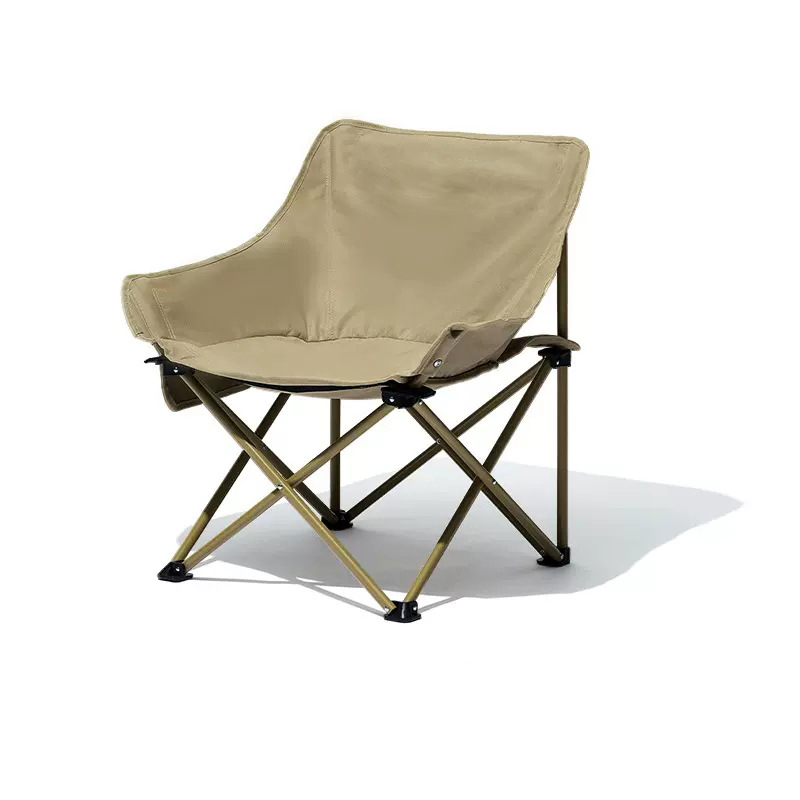
Posture and spinal support represent the most critical factors for daily seating. Lightweight sling‑style designs present a significant risk over time. They create a "bucket seat" effect. The fabric sags under your body weight, forcing your hips lower than your knees. This position promotes severe lumbar rounding. Your spine loses its natural curve, leading to lower back pain after just a few weeks of frequent everyday use. Traditional patio chairs feature rigid seats promoting neutral spine alignment.
Seat height dramatically affects the biomechanical strain of getting in and out of the seat. Standard dining or patio chairs offer a 16‑to‑18‑inch seat height. Your knees remain at a comfortable 90‑degree angle. By contrast, sinking into a low‑profile portable beach chair daily places immense stress on your knees and hips during egress. Pushing yourself up from a 10‑inch height requires significant quad and joint exertion. Doing this multiple times a day accelerates joint fatigue.
Buyers must choose between rigidity and flex. Backpack‑oriented outdoor chairs are engineered for light weight and compact folded size for easy carrying. Folding frames do not absorb ground impact; frame flexibility comes from folding hinge structures, not shock absorption. For daily home or mixed‑scene use, you must look for taut fabric tension. Structured armrests provide crucial leverage when standing up. A rigid frame prevents the seat from collapsing inward against your thighs. You need a design supporting your body actively, rather than one acting like a hammock. Rigid support ensures long‑term ergonomic safety.
Ignoring thigh compression caused by sagging front seat edges.
Using a seat without solid armrests for daily standing assistance.
Sitting for more than two hours without a dedicated lumbar support pillow.
Frame fatigue separates temporary gear from permanent furniture. An aluminum frame chair serves as the absolute baseline for daily outdoor use. Aluminum offers a phenomenal strength‑to‑weight ratio. More importantly, it carries zero rust risk. When you leave a cheaper steel frame outside, morning condensation attacks any scratched powder coating. Rust develops rapidly, weakening the joints. Carbon fiber provides extreme lightness but turns brittle under misaligned weight. If you lean too far back in a carbon fiber unit, the tubes can snap without warning.
Daily UV exposure destroys standard nylon fabrics rapidly. The sun's rays break down the polymer chains, causing the material to become brittle and fade. Within a single summer, cheap nylon will tear under normal body weight. We strongly recommend specific heavy‑duty materials for daily exposure. Look for 600D (denier) or higher polyester. PVC‑coated mesh represents another excellent choice. These materials resist sun rot, repel water, and withstand the daily abrasion of jeans and metal buttons.
Plastic and resin hubs pose the highest failure risk. These central joints connect the metal poles together. Under continuous, repetitive load‑bearing stress, plastic hubs develop micro‑cracks. Temperature shifts exacerbate this issue. Summer heat softens the plastic, while freezing nights make it brittle. When a hub fails, the entire structure collapses. Metal‑on‑metal hinges generally outlast plastic hubs in everyday residential scenarios.
Material Type | Durability Against Elements | Weight / Comfort | Everyday Use Viability |
|---|---|---|---|
600D Oxford Fabric | Good (basic resistance to tearing and fading) | Lightweight | Highly recommended (daily and casual outdoor use) |
600D Double‑layer Oxford | Very Good (enhanced tear and abrasion resistance) | Moderate | Recommended (frequent outdoor use) |
600D Oxford with PVC Coating | Very Good (improved waterproof and stain resistance) | Moderate to slightly heavier | Highly recommended (all‑weather outdoor use) |
1680D Canvas Fabric | Excellent (highest durability and long lifespan) | Heavier but more stable | Recommended for heavy‑duty / premium use |
Understanding when each category wins helps clarify your purchasing decision. Lightweight units win in multi‑use environments. Renters benefit massively from gear they can pack up on moving day. If you host frequent gatherings, dynamic seating arrangements require easily movable pieces. Strict budget constraints also favor lightweight designs, as you can often buy a set of four for the price of one heavy wooden lounger.
Traditional heavy‑duty furniture wins when permanent design aesthetics matter most. A heavy teak or wrought‑iron piece anchors a patio visually. Extreme wind environments demand heavy furniture. If you live on a high‑floor balcony or a coastal property, a gust of wind will throw a lightweight frame across the deck. Furthermore, users requiring rigid orthopedic support should always favor heavy, non‑folding structures. The unyielding seat pan prevents any pelvic tilt.
You must calculate the expected replacement cycle carefully. A premium lightweight model often costs the exact same as a mid‑tier heavy piece. However, daily stress degrades tension fabrics and folding hinges much faster than solid wood or welded iron. You will likely replace the lightweight unit sooner. You trade longevity for daily convenience. We suggest plotting these variables visually to align your priorities.
Evaluation Criteria | Premium Lightweight Model | Traditional Heavy‑Duty Model |
|---|---|---|
Mobility & Transport | Easy to lift and carry; designed for car‑based transport; not meant for long‑distance hiking backpack carry | Manageable by one person; typical weight ranges from 8–15 kg |
Stored Profile | Compact folded size, fits inside closets or vehicle trunk when collapsed | Large footprint; bulky even when disassembled |
Wind Resistance | Low (susceptible to blowing away) | High (remains anchored securely) |
Ergonomic Support | Moderate (fabric stretch occurs) | High (rigid seat pans prevent sagging) |
Expected Lifespan (Daily Use) | 1 to 3 years | 5 to 15+ years |
When you browse the market, you must alter your normal buying criteria. Over‑index on weight capacity immediately. We advise buyers to select a unit featuring a weight rating at least 30‑40% higher than their actual body weight. Sitting down and standing up creates dynamic force. You hit the seat harder than you realize. A higher weight rating ensures the rivets, hubs, and fabric seams can handle this daily dynamic shock without failing prematurely.
Look specifically for hybrid designs. Guide your search toward "director‑style" folding designs. These models feature rigid armrests and taut, flat seat profiles. They mimic the posture of indoor dining seats. Avoid shock‑cord hub designs entirely for daily patio use. While shock‑cord poles pack down incredibly small, they rely on flexible plastic joints. Reinforced tension‑seat models offer the necessary rigidity to support your spine safely over long hours.
Factor maintenance requirements into your daily routine. No lightweight outdoor chair survives year‑round exposure without help. You must bring the unit indoors when not in use. If bringing it inside feels too tedious, you must purchase a UV‑blocking cover. Protecting the fabric from afternoon sun and nighttime moisture extends its everyday viability by several years. Maintenance directly dictates the lifespan of portable gear.
Verify the Materials: Check the specification sheet for thick‑gauge aluminum and at least 600D polyester fabric.
Check the Weight Rating: Multiply your body weight by 1.4. Ensure the listed capacity meets or exceeds this number.
Examine the Armrests: Confirm the presence of sturdy wooden or metal armrests to assist with daily standing.
Conduct a Sit Test: Test the seat for a full hour indoors. Do not discard the return packaging until you verify it provides adequate pressure point relief.
Plan the Storage: Measure your available closet space or purchase a weather‑proof cover before deploying the seat outside.
A lightweight model certainly can serve as an everyday seating solution. However, you must shift your primary buying priority. You must stop prioritizing "minimum pack weight." Instead, you must demand "maximum structural tension and UV resistance." The very features making trail gear excellent—flexible hubs and ultra‑thin fabrics—make them terrible for permanent patios. Daily use requires a rigid seating posture and materials capable of surviving continuous environmental abuse.
We suggest investing in a premium, structured aluminum folding design. Never repurpose a cheap weekend trail unit for daily residential use. The initial savings will vanish quickly when you face lower back pain and ripped fabric three months later. Choose a hybrid director‑style model. Protect it from severe weather, and you will enjoy excellent comfort, versatile placement, and reliable longevity.
A: While aluminum frames won't rust, prolonged moisture breaks down the fabric coatings and weakens stitched seams. Trapped water also encourages mold growth on the fabric. It is highly recommended to fold and store them under a waterproof cover or bring them indoors during rainstorms.
A: It entirely depends on the specific design. Sling‑style "bucket" chairs lack lumbar support. They force your spine to round, which easily causes back pain with daily use. You should look for director‑style units featuring rigid, flat seats and straight backs to ensure proper posture.
A: Thick‑gauge anodized aluminum offers the best durability. It actively resists the corrosive effects of salt air and high humidity. It also handles repetitive folding stress significantly better than standard powder‑coated steel, which will inevitably rust once the paint scratches.