Views: 0 Author: Site Editor Publish Time: 2026-07-18 Origin: Site
Investing in an outdoor table without checking its specific dimensions often leads to frustration. You might end up lacking adequate food prep space. You could face annoying transport logistics. Sometimes, you just carry useless dead weight. Purchasing an outdoor table is always a balancing act. You must carefully weigh your tabletop surface needs against your vehicle payload constraints. You also need to consider your campsite terrain realities.
This guide serves as an objective decision matrix. We evaluate practical camping table size guidelines based on real-world scenarios. We help buyers confidently shortlist the right category for their specific trips. You will discover exactly how to match deployed height profiles to your camp chairs. You will also learn why packed volume often matters more than open surface area. By the end, you can select the perfect gear for your next adventure.
Activity Dictates Dimensions: Backpacking requires sub-2 lb micro-tables, while car camping and RVing can accommodate standard 48-inch dining surfaces.
Packed Volume Trumps Deployed Size: For overlanding and RV storage, the folding mechanism (roll-top vs. bi-fold) is a stricter buying constraint than the open tabletop area.
Chair Compatibility is Critical: Table height must align with seating; standard dining tables sit at ~28–30 inches, but low-profile camp chairs require ~16-inch table heights.
Terrain Flexibility: An adjustable camping table reduces the need for oversized, heavier models by maximizing usable surface stability on uneven ground.
Evaluating your options starts with understanding the surface area to occupant ratio. You need baseline metrics to make smart choices. A standard 24 by 24-inch footprint comfortably serves two people for simple dining. However, it only serves one person for meal prep and active cooking. You need sufficient room to chop ingredients. You must stage hot pots safely. You also need space to set down utensils. A family of four generally requires a 48-inch long surface to eat without bumping elbows.
Next, you must evaluate deployed height profiles. Outdoor tables typically fall into three standard tiers. Choosing the wrong tier ruins your comfort.
Ground-level (Under 10 inches): These sit very low. They work beautifully for beach setups. You use them while sitting on blankets or sand.
Lounge/Coffee Height (15 to 20 inches): This tier matches standard low-profile folding camp chairs perfectly. It allows you to grab drinks comfortably while lounging.
Standard Dining/Prep Height (28 to 31 inches): This height mimics your home dining room. It works best for standing prep work. You pair it with full-size camping chairs or stools.
Packed size versus vehicle geometry presents a harsh implementation reality. You might find a heavy-duty outdoor table online. It might unfold to a massive, luxurious size. This large unit might fit easily in an open truck bed. Yet, it often fails to slide through an RV exterior storage hatch. It might refuse to lay flat in a compact sedan trunk. You must measure your actual storage cavity before looking at deployed dimensions.
Height Tier | Typical Measurement | Best Paired Seating | Ideal Use Case |
|---|---|---|---|
Ground-Level | Under 10 inches | Blankets, sand, foam pads | Beach trips, park picnics, ultralight travel |
Lounge / Coffee | 15 - 20 inches | Low-boy beach chairs, standard camp chairs | Campfire drinks, casual snacking, reading |
Standard Dining | 28 - 31 inches | Full-height folding chairs, stools | Active cooking, family dining, dishwashing stations |
Basecampers usually prioritize overall comfort over strict weight savings. You park your vehicle right next to your campsite. You can easily carry slightly heavier gear from the trunk to the fire pit. This target profile demands robust equipment.
Your optimal size range spans 36 to 48 inches long. You should aim for standard dining height. This allows multiple people to gather around the food. The best form factor is usually a portable picnic table or a heavy-duty bi-fold model. These designs offer massive unbroken surfaces.
Your primary selection criteria must prioritize weight capacity. Look for ratings exceeding 100 lbs. You need extreme stability for heavy cast-iron cooking gear. A large Dutch oven filled with stew weighs quite a bit. Multi-person dining requires solid, wobble-free support. Do not compromise on rigidity here.
Extended travelers face completely different challenges. You deal with rigid payload capacities daily. You must fit gear into specific storage drawers or narrow exterior hatch dimensions. Space is an absolute premium.
Your optimal size range spans 24 to 40 inches long. You should focus entirely on slatted or roll-top designs. These models offer the best compromise between surface area and packed volume.
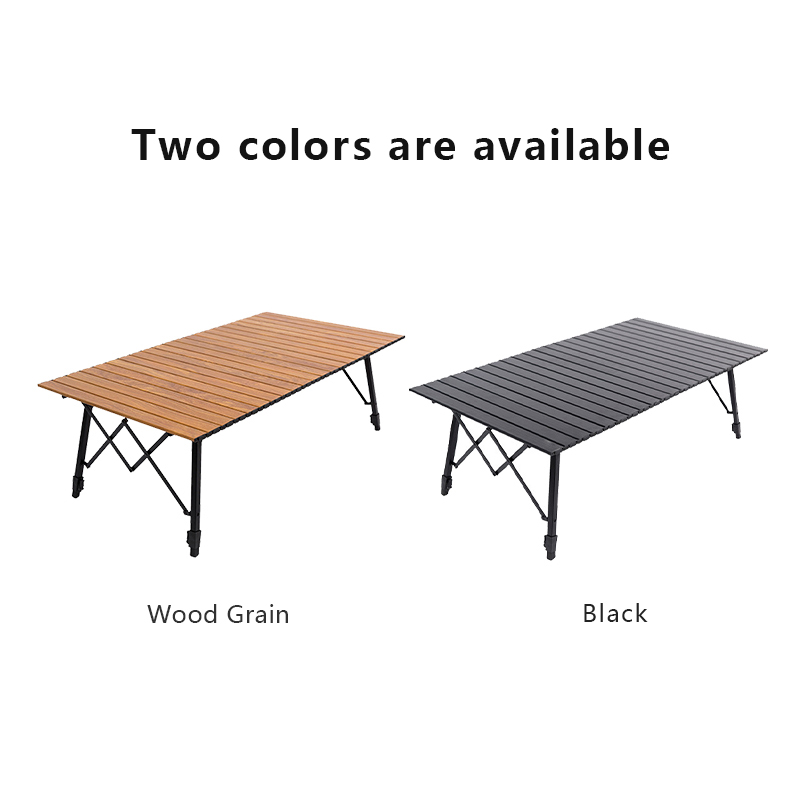
You must consider the implementation risk of your gear. Rigid bi-fold tables often rattle loudly. They warp under continuous off-road vibration. Constant washboard dirt roads destroy cheap plastic hinges quickly. We highly recommend aluminum roll-top tables for this activity. They break down into cylindrical storage bags. These slender bags slide easily into long, narrow RV bays. They tuck cleanly beside tent poles and awning rods.
Human-powered travelers track every single ounce. You carry everything on your back or inside a small hull. You simply cannot afford luxury sizing. You need bare-bones functionality.
Your optimal size range sits between 12 and 16 inches long. The height should stay under 6 inches. These dimensions keep the packed item incredibly small.
Your main selection criteria is a strict sub-2 lbs weight limit. You need just enough surface area for one specific task. You only want to keep a backpacking stove and a titanium mug off the dirt. You might need to keep your burner out of the snow. A tiny, flat metal sheet over collapsible wire legs works perfectly. It prevents your stove from tipping over on uneven ground.
You must objectively compare the packed volume of different folding mechanisms. Roll-top models save up to 40% of storage space compared to flat-folding units. They bundle into tight, efficient tubes. However, they require slightly longer setup times. You must snap multiple slats into a tension frame. Furthermore, they feature seams between the slats. These tiny gaps can trap spilled food debris or grease. You might need a small brush to clean them properly.
Conversely, a standard folding outdoor table opens in seconds. The smooth, unbroken surface wipes clean instantly. You can sanitize it very quickly. The major trade-off remains its large, flat storage footprint. It demands a wide, flat space in your vehicle.
Next, consider the leg architecture. You face unpaved environments constantly. Campsites rarely offer perfectly flat ground. This reality argues the absolute necessity of an adjustable camping table. Telescoping legs prevent surface tilting. You can lengthen one specific leg to accommodate a sloping hill or a hidden rock. This feature effectively makes a smaller table more efficient than a larger, unstable one. A wobbly large table drops your food into the dirt. A level, steady small table safely holds your meal.
Finally, you must evaluate material weight penalties. Contrast MDF or resin tops against extruded aluminum.
MDF / Resin: These materials are much heavier. They absorb water easily. They are highly prone to edge swelling if left out in the rain overnight.
Extruded Aluminum: This material is significantly lighter. It is completely heat-resistant. You pay a higher upfront cost. Yet, the longevity easily justifies the investment. Aluminum survives decades of sun and rain exposure.
Buyers frequently fall victim to the chair-to-table mismatch. We strongly warn buyers against pairing a 28-inch tall table with a 10-inch high low-boy beach chair. This configuration forces you to reach awkwardly upward to eat. It strains your shoulders. It ruins the dining experience entirely. You must measure your existing camp seating before purchasing any new gear. Keep the vertical gap between the seat and the tabletop around 10 to 12 inches. This ensures optimal ergonomic comfort.
Ignoring heat limitations creates another massive risk. Compact, lightweight fabric tension tables look sleek. Backpackers love them for their low weight. However, hot Dutch ovens destroy them instantly. A hot camp stove melts nylon in seconds. Metal tops are absolutely mandatory for hot food prep. This reality alters your weight constraints. You must factor in the heavier metal when planning a hot cooking station.
Finally, overestimating weight capacity claims leads to broken gear. You must cast a skeptical lens on manufacturer weight limits. A 200 lb static load rating implies it holds a heavy, perfectly still box. This rating does not equate to dynamic stability. Imagine aggressively chopping dense root vegetables. Think about casually leaning on the table's edge while talking. Weak hinges buckle under dynamic lateral stress. Always deduct about 30% from static load ratings for real-world dynamic use.
Follow this strict elimination logic to find your perfect match. Do not skip these steps. They prevent costly return shipping fees.
Step 1: Measure the exact dimensions of your vehicle's designated storage space. Check your trunk floor, roof box, or RV pass-through. Use a real tape measure. Use this specific measurement as your primary elimination filter. If it cannot fit in the car easily, cross it off your list immediately.
Step 2: Determine your primary use case. Decide between active dining, aggressive meal prep, or simple gear staging. This decision finalizes your required surface area. It also dictates your material choice. Cooking demands metal. Lounging allows for lighter materials.
Step 3: Filter your remaining options by height compatibility. Measure your current camp seating from the ground to the seat base. Match the new table tier to your chairs. Ensure a comfortable 10 to 12-inch gap.
The best size relies heavily on your transit limitations and specific campsite activities. It involves much more than just counting the number of people in your group. Buying a massive surface does no good if it blocks your car doors. Small micro-tables fail entirely if you need to chop vegetables for four people.
We urge you to prioritize packed dimensions first. Then check seating height compatibility. Do these essential steps before looking at aesthetic features or brand colors. Functionality must lead your purchasing decision. A stable, packable setup transforms a frustrating campsite into a comfortable outdoor kitchen.
Start your search armed with real measurements. Browse specific categorized collections online today. Look up dedicated overlanding roll-top models. Compare adjustable height options directly. Choose gear built intelligently for your specific adventure.
A: Generally, allow 24 inches of width per person for comfortable dining. A 48-inch table supports four people (two per side). You need slightly more space if you plan to use the same surface for active food prep and staging cooking equipment simultaneously.
A: True dining height is 28 to 30 inches. However, if using standard low-profile folding camp chairs, a height of 16 to 20 inches is much more ergonomic. You must match the table tier to your existing seating to prevent shoulder strain while eating.
A: Vertically, yes (they support comparable weight). Horizontally, they may exhibit slightly more sway than solid bi-fold tables due to the multiple hinged slat connections, making them less ideal for aggressive food prep. However, their superior packed volume makes them highly desirable for tight storage.