Views: 0 Author: Site Editor Publish Time: 2026-05-22 Origin: Site
Have you ever hosted a family gathering where the table felt too small for the food, drinks, and guests, or so large that it dominated the entire patio? Choosing the right outdoor table size is one of the most important decisions when planning a comfortable and functional outdoor space.
Whether you're organizing a backyard BBQ, a camping trip, a picnic, or a holiday gathering, the right table should provide enough seating, sufficient tabletop space, and flexibility for different occasions. However, table size is only part of the equation. The table's material, portability, and design also determine how practical it will be for long-term use.
At Suzhou Maitop, we specialize in aluminum camping tables, folding outdoor tables, roll-up camping tables, adjustable-height tables, and portable picnic tables designed for modern outdoor lifestyles. This guide explains how to choose the right outdoor table size while highlighting the features that matter most in real-world outdoor applications.
An outdoor table directly affects:
Seating comfort
Food serving space
Traffic flow
Space efficiency
Overall gathering experience
A table that is too small creates a crowded environment, while an oversized table may restrict movement and make the outdoor area feel cramped.
For family gatherings, the goal is to balance seating capacity with available space.
The first step is determining how many people typically use the table.
Table Length | Seating Capacity | Best Use Scenario |
|---|---|---|
60 cm | 1–2 People | Intimate settings, balconies, personal outdoor use, coffee time |
90 cm | 2–4 People | Small family dining, weekend meals, outdoor leisure, casual gatherings |
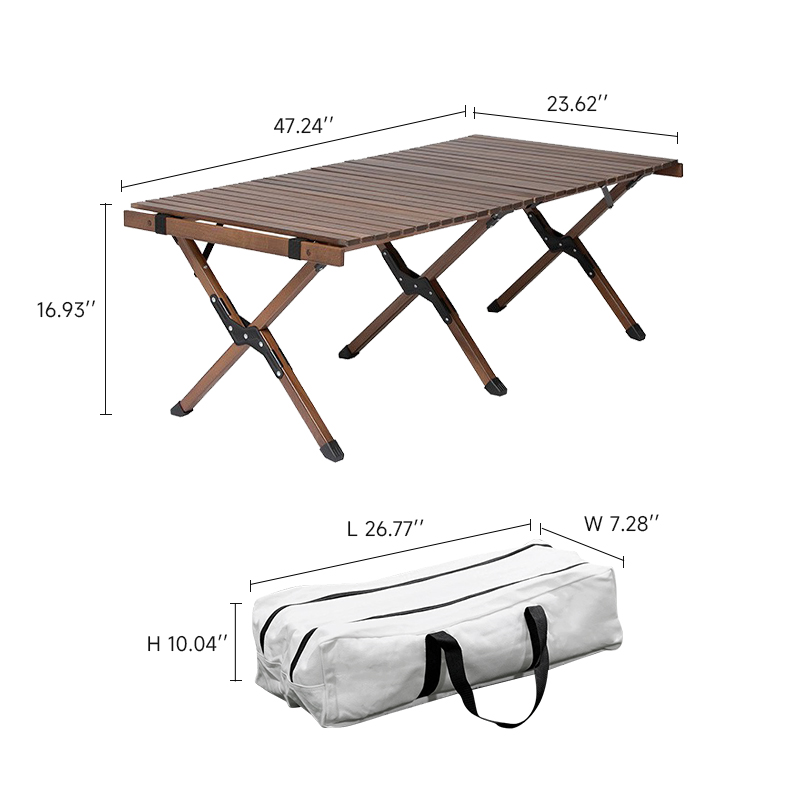
120 cm | 4–6 People | Recommended size: family gatherings, backyard BBQ, multifunction outdoor dining |
Rectangular tables remain the most practical choice for family gatherings because they maximize seating capacity and serving space.
Advantages include:
Easy seating arrangement
Efficient use of patio space
More room for dishes and drinks
Suitable for larger groups
Many Maitop folding camping tables and outdoor dining tables use rectangular designs because they provide maximum usability.
Square tables are suitable for smaller patios and compact outdoor areas.
Benefits include:
Symmetrical appearance
Space-saving design
Comfortable for small families
For camping and travel, compact tables are often more practical than traditional dining tables.
Small portable designs provide enough space for meals and gear while remaining easy to transport.
Material choice plays an important role in the durability, portability, stability, and overall style of an outdoor table. Different outdoor scenarios require different material advantages, so the best choice depends on how and where the table will be used.
At Maitop, outdoor tables are mainly designed around three practical material systems: aluminum alloy, carbon steel, and beech wood. Each material offers different benefits for camping, beach trips, backyard dining, patio use, and premium outdoor gatherings.
Material | Key Advantages | Best Use Scenario |
|---|---|---|
Aluminum Alloy | Lightweight, rust-resistant, easy to carry, low maintenance | Camping, beach trips, picnics, travel, portable outdoor dining |
Carbon Steel | Strong stability, high load-bearing capacity, excellent value | Backyard dining, car camping, BBQ setups, semi-permanent outdoor use |
Beech Wood | Natural texture, premium appearance, warm outdoor aesthetic | Glamping, patio gatherings, refined outdoor dining, family leisure spaces |
Aluminum alloy is one of the most practical materials for portable outdoor tables. It is lightweight, resistant to rust, and easy to clean, making it especially suitable for camping, beach trips, picnics, and travel.
For users who need a table that can be carried, folded, transported, and set up frequently, aluminum tables provide an excellent balance between durability and convenience. They are also ideal for humid outdoor environments because aluminum does not rust easily compared with ordinary steel.
Carbon steel is commonly used in outdoor tables that require stronger support and better stability. Compared with lightweight materials, carbon steel offers higher load-bearing performance, making it suitable for backyard dining, BBQ setups, car camping, and semi-permanent outdoor use.
Its solid structure provides a stable surface for food preparation, cooking equipment, drinks, and family dining. For users who prioritize strength and value, carbon steel outdoor tables are a practical and reliable choice.
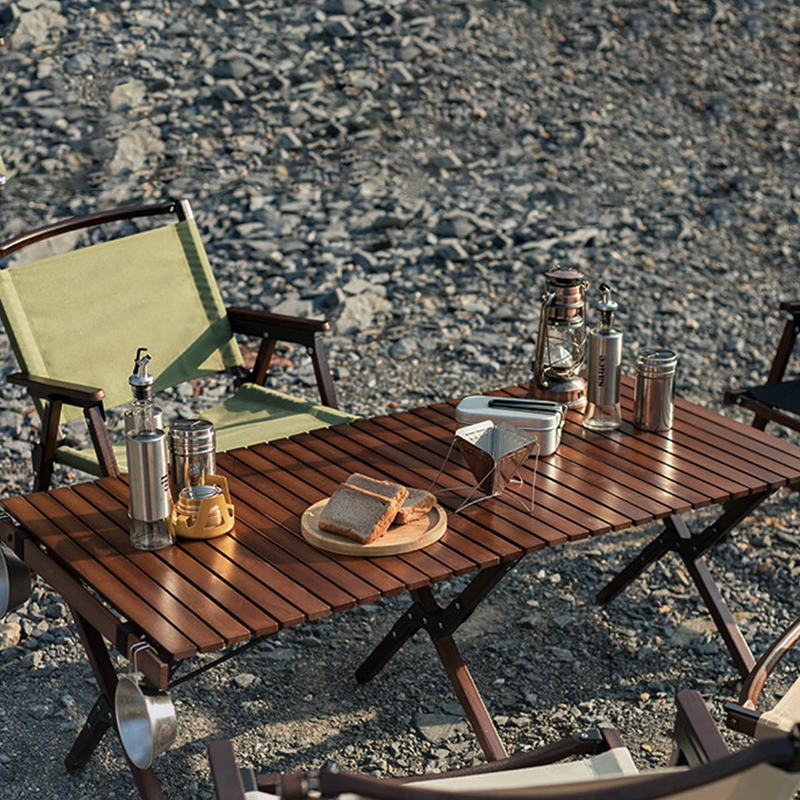
Beech wood is often selected for outdoor tables that focus on appearance, comfort, and natural texture. Its warm wooden surface creates a more refined outdoor atmosphere, making it suitable for glamping setups, patio gatherings, family leisure spaces, and stylish outdoor dining scenes.
Compared with metal tables, beech wood offers a softer and more natural visual effect. It is especially suitable for users who want outdoor furniture that combines function with a premium lifestyle appearance.
If portability is the priority, aluminum alloy is the most convenient choice. If stability and load capacity are more important, carbon steel provides stronger support. If appearance and natural outdoor style matter most, beech wood offers a more premium and lifestyle-oriented solution.
By choosing the right material according to the usage scenario, families and outdoor users can enjoy a more comfortable, durable, and practical outdoor table experience.
One of the fastest-growing trends in outdoor furniture is adjustable-height tables.
Products such as Maitop's Adjustable Aluminum Camping Table provide flexibility for different activities.
Applications include:
Family dining
BBQ preparation
Outdoor cooking
Camping kitchens
Outdoor workstations
Game tables
Instead of buying multiple tables, homeowners can adjust the height according to the occasion.
Multi-purpose functionality
Better ergonomic comfort
Space-saving versatility
Suitable for both adults and children
For families that regularly host outdoor events, adjustable tables often provide the greatest long-term value.
Roll-Up Tables (Egg-Roll Style) and Folding Tables represent the most commonly used search terms in the outdoor furniture industry and should be clearly separated and compared rather than described as mixed concepts.
Roll-Up camping tables use a detachable slat-style tabletop combined with a lightweight frame structure. Their main advantages are compact storage, ultra-portability, and fast transportation, making them ideal for camping, beach trips, fishing, and hiking scenarios.
Folding camping tables use an integrated frame structure that provides stronger stability and higher load-bearing capacity. They are more suitable for family gatherings, BBQ setups, patio dining, and semi-permanent outdoor use.
Instead of mixing both types in one descriptive paragraph, each system should be clearly positioned and compared based on structure, usage scenario, and performance differences.
Even the perfect table size can become uncomfortable if there isn't enough clearance around it.
Recommended clearance:
Minimum: 90 cm
Ideal: 120 cm
This space allows guests to:
Pull chairs out comfortably
Walk around the table
Serve food easily
Avoid overcrowding
Before purchasing, always measure both the table area and the surrounding circulation space.
Many buyers focus only on appearance and ignore practical considerations.
Common mistakes include:
A large table may look impressive but can make a patio feel crowded.
Permanent tables require more storage space than folding models.
Heavy furniture is difficult to move and less versatile for outdoor activities.
Families who enjoy camping or travel should prioritize foldable and lightweight designs.
A family of four today may regularly host six or eight guests in the future.
Choosing a slightly more flexible design can prevent future upgrades.
Maitop's outdoor table collection focuses on practical outdoor applications rather than decorative furniture.
Key design priorities include:
Lightweight aluminum construction
Foldable and portable designs
Adjustable-height options
Roll-up tabletop systems
Easy assembly
Weather-resistant materials
Compact storage solutions
Our product range includes:
Adjustable Aluminum Camping Tables
Outdoor Dining Tables
Roll-Up Camping Tables
Tactical Camping Tables
Side Camping Tables
Outdoor Coffee Tables
Portable Folding Tables
These products are designed for camping, family gatherings, picnics, fishing, travel, and backyard entertainment.
Choosing the right outdoor table size starts with understanding your family size, available space, and intended use. For most households, a table designed for 4–6 people provides the best balance between comfort and practicality.
Beyond size, material selection is equally important. Aluminum outdoor tables offer superior durability, weather resistance, and portability compared with many traditional alternatives. Adjustable-height tables, folding camping tables, and roll-up designs provide additional flexibility for modern outdoor lifestyles.
Whether you need a compact camping table for weekend adventures or a larger outdoor dining table for family gatherings, selecting a well-designed aluminum table ensures long-term performance, easier storage, and a more enjoyable outdoor experience.
A table between 100–120 cm long is typically ideal for four people, providing enough room for meals and serving dishes.
Leave at least 90 cm of clearance, with 120 cm being the preferred distance for maximum comfort.
Yes. Many modern folding tables provide sufficient stability and tabletop space for regular family dining and outdoor events.
Aluminum tables are lightweight, rust-resistant, durable, and easy to maintain, making them ideal for outdoor environments.
Yes. Adjustable tables offer greater flexibility for dining, cooking, working, and other outdoor activities, making them a versatile long-term investment.