Views: 0 Author: Site Editor Publish Time: 2026-07-17 Origin: Site
Are your gardening tools, lawnmowers, and seasonal decorations taking over your garage and patio spaces? Clutter easily builds up when you lack a dedicated spot for your outdoor equipment. This constant disorganization often leads to rusted tools, damaged gear, and a stressful backyard environment. We understand how frustrating it is to search for a simple trowel hidden under a pile of patio cushions. Implementing a structured organization system not only protects your valuable equipment but also restores peace and order to your property.
In this comprehensive guide, you will discover whether a dedicated outdoor structure is the ultimate fix for your storage issues. We will explore various material choices, clever organizational strategies, and creative uses that can seamlessly expand your living area. You will learn exactly how to maximize weather resistance and pick the perfect footprint for your specific backyard layout. By the end, you will know exactly how to transform a messy yard into an organized, highly functional oasis.
Homeowners frequently underestimate the sheer volume of equipment required to properly maintain a property. Rakes, shovels, bags of potting soil, and power tools can quickly consume valuable floor space in garages. When you are forced to park your car outside because your garage holds a lawnmower, you seriously compromise your daily convenience. Introducing a high-quality garden shed easily centralizes all these essential items in one logical, easy-to-access location.
Consolidating your tools outdoors effectively keeps dirt, mud, and debris away from your primary living spaces. You will no longer need to drag muddy boots or grass-covered trimmers through the house or garage. Having a specific home for every tool also encourages better organizational habits. When you finish your weekend weeding, you will know exactly where to return your gloves and pruning shears.
Furthermore, scattered equipment poses significant safety hazards in any yard. Tripping over a misplaced rake or leaving sharp shears accessible to children creates unnecessary risks. Enclosing these items inside a secure outdoor structure instantly eliminates these everyday dangers. You can easily lock away potentially harmful tools, ensuring a safer environment for your family and pets. Organizing your exterior space also dramatically improves the visual curb appeal of your landscaping. Instead of looking at unsightly piles of plastic pots and tangled hoses, you can enjoy a clean, unobstructed view of your beautiful lawn.
Defining the core purpose of your outdoor space determines the exact size and style of the structure you need. Many people mistakenly assume these structures are only meant to hold basic landscaping items. However, their storage utility extends far beyond simple shovels and rakes. Knowing exactly what items thrive in this protected environment helps you plan your interior layout much more effectively.
Consider dedicating specific zones inside the unit to different categories of your belongings. This smart categorization prevents accidental damage and makes tool retrieval much faster during busy weekend gardening sessions.
Lawn and Garden Care: Lawnmowers, string trimmers, leaf blowers, and wheelbarrows perfectly belong here. You can easily hang smaller hand tools like trowels and pruners on wall-mounted pegboards.
Seasonal Decorations: Free up your valuable attic space by safely storing holiday lights, inflatable yard figures, and heavy seasonal wreaths in sealed plastic bins.
Outdoor Furniture and Accessories: Protect patio cushions, umbrellas, and foldable chairs from harsh winter weather. Storing them inside prolongs their lifespan significantly.
Recreational Gear: Bicycles, pool noodles, camping tents, and sports equipment fit perfectly inside, keeping them readily accessible but neatly out of sight.
Potting Supplies: Keep your extra soil bags, fertilizers, mulch, and spare terracotta pots neatly stacked and ready for the busy spring planting season.
Experience shows that certain items degrade rapidly when exposed to fluctuating outdoor temperatures, even when placed inside a sturdy enclosure. Protect your investments by keeping these highly vulnerable materials indoors.
Paint and Liquid Chemicals: Extreme freezing and thawing cycles can separate paint compounds, rendering them completely unusable.
Paper Goods and Cardboard: High humidity attracts pests and causes paper products to disintegrate quickly or grow harmful mold.
Pet Food: Storing kibble outside easily invites rodents and raccoons, compromising the overall security and cleanliness of your structure.
Selecting the right framing and siding material dictates the longevity, maintenance requirements, and overall performance of your storage unit. The market primarily offers three main categories of materials. Understanding the unique strengths and weaknesses of each will help prevent future frustrations.
Wood offers a classic, traditional aesthetic that blends beautifully with natural backyard surroundings. You can easily paint a wooden structure to match your home perfectly. However, wood demands rigorous and consistent upkeep. You must repaint or restain it every few years to actively prevent rot, termite infestations, and costly moisture damage.
Metal structures provide excellent security and resist pests entirely. They often feature durable galvanized steel construction. Unfortunately, metal eventually succumbs to rust over time if the protective coating is scratched. It also dents easily upon impact from a stray baseball or a dropped heavy tool. Additionally, metal enclosures experience extreme temperature fluctuations, often turning into literal ovens during the hot summer months.
Modern plastics present a vastly superior alternative for most residential properties. A high-quality resin garden shed requires virtually zero ongoing maintenance. These advanced panels effectively resist UV rays, meaning they will not fade, crack, or peel under harsh, direct sunlight. They never rust, and wood-boring insects cannot damage them. To keep it looking new, you simply wash the exterior periodically using a standard garden hose.
Material Type | Durability | Maintenance Level | Best Feature |
|---|---|---|---|
Wood | High (if maintained) | High (requires painting/staining) | Customizable appearance |
Metal | Medium (prone to rust/dents) | Low | Pest-proof and secure |
Resin/Plastic | Very High (UV and rot resistant) | Very Low (wash with water) | Weatherproof and lightweight |
Your outdoor equipment represents a significant financial investment. Riding mowers, electric chainsaws, and sensitive lithium-ion batteries can fail quickly when constantly exposed to moisture. Therefore, prioritizing top-tier weather resistance remains absolutely non-negotiable for long-term storage.
Water damage manifests in multiple destructive ways. Heavy rain can seep through poorly designed roof joints. Ground moisture wicks up rapidly through inadequate flooring materials. Furthermore, condensation builds up inside unventilated spaces, causing metal tools to rust seemingly overnight. You must effectively address all three of these vectors to ensure complete, year-round protection.
Investing in a well-designed, dedicated waterproof outdoor shed solves these tough environmental challenges comprehensively. These advanced storage models incorporate overlapping panel designs that actively prevent horizontal wind-driven rain penetration. Moreover, they feature smartly sloped roofs that force snow and rainwater to run off instantly, rather than dangerously pooling on top.
When actively evaluating weather resistance, always look for these critical structural components:
Integrated Floor Panels: A built-in, heavy-duty floor lip creates a seamless, protective barrier against groundwater seepage and crawling insects.
Active Ventilation: Strategically built-in vents allow hot air to escape quickly and reduce internal humidity, preventing harmful mold growth on organic materials.
Slanted Roof Pitch: An aggressive roof angle effortlessly sheds heavy snow loads quickly, effectively preventing structural collapse during harsh winter storms.
Sealed Seams: Robust double-wall construction provides superior insulation properties and stops severe wind-driven rain from entering through the vulnerable corners.
Not every property can accommodate a massive, sprawling outbuilding. Urban backyards and narrow suburban lots inherently require strategic space planning. Fortunately, you absolutely do not need an enormous footprint to achieve excellent, stress-free outdoor organization.
When dealing with highly limited square footage, you must learn to think vertically. Floor space vanishes incredibly quickly once you park a bulky lawnmower inside. By fully utilizing the bare walls up to the ceiling, you can effectively triple your available holding capacity. Installing heavy-duty wall track systems allows you to securely hang heavy, awkward items like ladders and string trimmers directly on the walls.
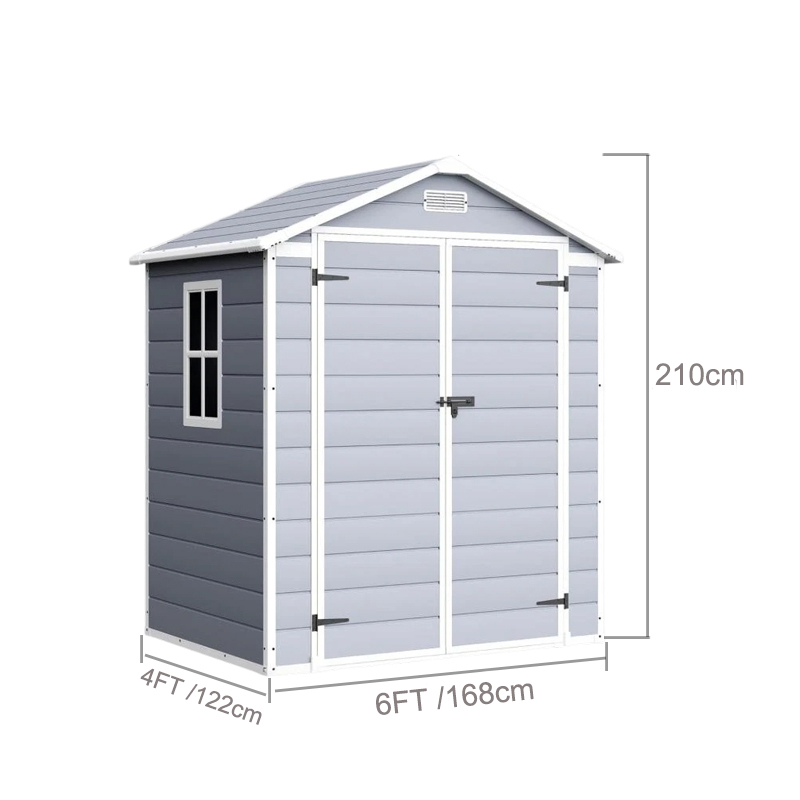
A thoughtfully designed small garden storage unit fits unobtrusively against a tight fence line or snugly beside a house. Slim-profile designs measuring just three feet deep can hold an astonishing amount of yard gear when outfitted correctly. Use freestanding, rust-resistant wire shelving units to stack storage bins safely. Always opt for clear plastic bins so you can instantly identify contents without the hassle of opening every single box.
Keep your most frequently used gardening items near the primary doors. If you mow the lawn weekly, the mower strictly belongs front and center. Place off-season items, like snow shovels or heavy winter holiday decor, at the very back or on the highest, hardest-to-reach shelves. Rotate these items twice a year based on the changing seasons. This simple, effective rotation method prevents you from constantly moving heavy objects just to reach what you actually need today.
While organizing yard tools remains the primary function, modern backyard structures offer incredible, untapped versatility. Homeowners increasingly adapt these unique spaces for specialized hobbies and everyday lifestyle enhancements. A sturdy, highly weather-resistant structure acts as a perfect blank canvas for your imagination.
Consider transforming a designated section into a dedicated potting station. Adding a simple wooden workbench, some specialized hooks for small hand tools, and a large bin for potting soil instantly creates a gardener's paradise. You can easily repot plants, germinate spring seeds, and mix fertilizers without ever creating a dirt mess on your clean patio.
Others choose to repurpose these outdoor spaces completely. With proper ventilation and a highly solid foundation, a high-quality unit quickly becomes an excellent bicycle repair shop or a dedicated woodworking space. Keeping messy, dust-heavy hobbies outside keeps your primary home completely clean and dust-free. Some families even use them to store harsh pool chemicals and bulky floatation devices exclusively, creating a convenient, safe hub right next to the water.
If you actively plan to use the interior as a functional workspace, prioritize models featuring large windows or integrated skylights. Plentiful natural light quickly transforms a dark storage box into a bright, inviting, and highly usable environment. Always ensure your ground foundation is perfectly level to prevent workbenches from frustratingly wobbling during intricate projects.
Simply throwing items into a brand new structure only relocates your existing clutter. True storage efficiency requires a highly disciplined approach to internal layout design. A properly optimized backyard storage shed operates just like a well-designed kitchen. Absolutely everything has a specific home, and daily access flows logically.
Implement the highly effective "Zone Defense" method. Divide your interior layout into specific, task-oriented activity zones. Dedicate the left wall entirely to long-handled tools like rakes, hoes, and brooms. Install a strong magnetic strip directly above your workbench to hold screwdrivers, pliers, and metal shears safely and visibly. Then, dedicate the right wall to heavy-duty shelving for bagged goods like potting soil, grill charcoal, and lawn fertilizer.
Use your vertical space ruthlessly. Install heavy-duty hooks near the top ceiling to hold long extension cords, garden hoses, and spare chainsaw chains. Keep the center floor completely clear except for heavy, rolling items like lawnmowers and pressure washers. Maintaining a perfectly clear floor prevents accidental tripping and makes sweeping out accumulated dirt incredibly easy.
Never place flimsy cardboard boxes directly on the shed floor. Even inside a fully waterproof unit, sudden temperature changes will naturally create minor condensation. Cardboard eagerly absorbs this moisture, inevitably leading to toxic mold. Always use durable, sealed plastic totes instead. Secondly, avoid the temptation of overloading cheap plastic shelving. Always double-check the maximum weight capacity of your shelves before stacking heavy bags of wet soil or winter rock salt on them. Heavy items strictly belong on the very bottom shelf to lower the center of gravity and definitively prevent dangerous tipping.
Conquering frustrating backyard clutter permanently requires much more than just good intentions. It demands a dedicated, purpose-built structure perfectly capable of protecting your vital equipment from harsh, unforgiving environmental elements. Upgrading your exterior organization strategy delivers immediate, tangible daily benefits while actively preserving the functional lifespan of your most expensive tools.
Assess your specific storage needs carefully before selecting a unit size. Group your items into logical categories to determine exactly how much shelving and floor space you actually require.
Prioritize advanced, weather-resistant materials. Choose premium resin constructions to completely eliminate ongoing maintenance tasks like tedious painting and rust removal.
Protect your costly investments by ensuring the chosen structure features integrated flooring, adequate active ventilation, and protective overlapping roof panels.
Maximize every single inch of available interior real estate by installing vertical wall tracks, tool magnetic strips, and reliable freestanding wire shelves.
Take decisive action today by carefully measuring your available yard space and properly inventorying your current collection of outdoor tools. Preparing a solid, perfectly level foundation is your critical next step toward achieving a beautifully organized, stress-free outdoor living area.
A: Municipal regulations vary widely depending on your exact residential location. Most cities comfortably allow structures under 100 to 120 square feet without requiring a formal building permit. However, local homeowner associations (HOAs) often have strict, specific rules regarding roof height, exterior material, and placement near property lines. Always check your local zoning codes and HOA guidelines before pouring a concrete foundation.
A: Start by proactively choosing a structure built with an integrated, heavy-duty floor panel. Carefully seal any external gaps around the doors or vents using steel wool or quality weatherstripping. Never store dog food, birdseed, or grass seed in their original thin plastic bags. Always transfer these highly edible items to thick, airtight, locking metal or heavy-duty plastic bins.
A: A perfectly level foundation is absolutely critical for proper door alignment and long-term structural integrity. A professionally poured concrete slab offers the highest overall durability and massive weight capacity. For lighter resin shed models, a neatly compacted gravel pad firmly enclosed by a treated timber frame works exceptionally well and provides excellent, natural water drainage away from the base.
A: Always ensure your unit features active ventilation grilles positioned near the upper roofline. You can also strategically place commercial moisture-absorbing desiccant buckets in the back corners during highly humid summer months. Most importantly, never store wet equipment; let hoses drain completely and allow canvas tarps to dry fully in the warm sun before locking them safely inside.