Views: 0 Author: Site Editor Publish Time: 2026-07-05 Origin: Site
Expanding outdoor hobbies, complex lawn care routines, and bulky seasonal gear inevitably create serious patio clutter. These items also cause severe garage overflow daily. Constant outdoor exposure subjects expensive power equipment to harsh weather damage. You cannot rely on cramped indoor spaces forever. A properly integrated garden shed is not just a secondary dumping ground. It functions as a strategic asset for zoning and protecting your valuable outdoor investments. This crucial physical barrier drastically extends the functional lifespan of your tools. This comprehensive guide evaluates the utility, material selection, and structural organization frameworks you need. You will learn how to turn an unmanaged yard into a highly functional outdoor system. We explore practical layouts, advanced shelving tactics, and mandatory compliance measures to guarantee success. Proper planning ensures seamless execution from day one.
An outdoor organization shed shifts asset management out of the garage, protecting high-value equipment from UV rays, moisture, and theft.
Evaluating shed materials is critical; weather resistance and maintenance requirements dictate long-term ROI.
Effective shed organization relies on strict zoning, vertical storage utilization, and accessibility mapping.
Pre-installation planning—specifically regarding leveling, foundation selection, and local zoning compliance—prevents structural failure and legal friction.
Adding an outdoor organization shed transforms chaotic yards into streamlined living spaces. You gain immediate measurable returns across multiple aspects of your daily home management.
Continuous weather exposure destroys costly equipment rapidly. Intense ultraviolet rays degrade exposed plastic components. Rain introduces pervasive rust to steel mower blades and delicate power tools. Unprotected patio cushions develop deep mold spores over a single damp winter. Moving these vulnerable assets indoors preserves their functionality. A sturdy enclosure shields complex metal gears from corrosive morning dew. It also deters neighborhood theft effectively. You keep riding lawnmowers and expensive chainsaws highly secure behind locked doors.
Garages frequently become dumping grounds for messy yard tools. This bad habit sacrifices premium indoor space. Shifting your shovels, fertilizers, and trimmers outside reclaims your primary garage completely. You finally gain adequate room for parking vehicles out of the snow. Homeowners often convert these newly cleared garages into home gyms or woodworking shops. This strategic spatial shift provides immediate lifestyle improvements.
Scavenging for misplaced pruning shears wastes precious weekend hours. A dedicated outbuilding establishes a highly centralized hub. You reduce physical friction for every landscaping task. Seasonal equipment transitions become straightforward. You swap summer garden hoses for winter snowblowers effortlessly. Every item has a designated home. You never trip over scattered rakes again.
Selecting the right structural material determines your long-term satisfaction. You must balance upfront costs against future maintenance burdens.
Traditional wood offers exceptional aesthetic customization. You can easily paint the exterior siding. You can also modify interior wooden walls by attaching heavy brackets. However, timber remains highly vulnerable to aggressive fungal rot. It attracts destructive termite infestations. It demands rigorous cyclical repainting. You must also replace deteriorated roof shingles regularly to prevent interior leaks.
Galvanized steel provides a strictly utilitarian, cost-effective barrier. Metal panels block rodent entry completely. Unfortunately, thin metal walls dent easily upon physical impact. They also suffer from severe internal condensation issues. Rapid temperature changes trap moisture inside. This condensation drips downward. It accelerates rust formation on your stored iron tools.
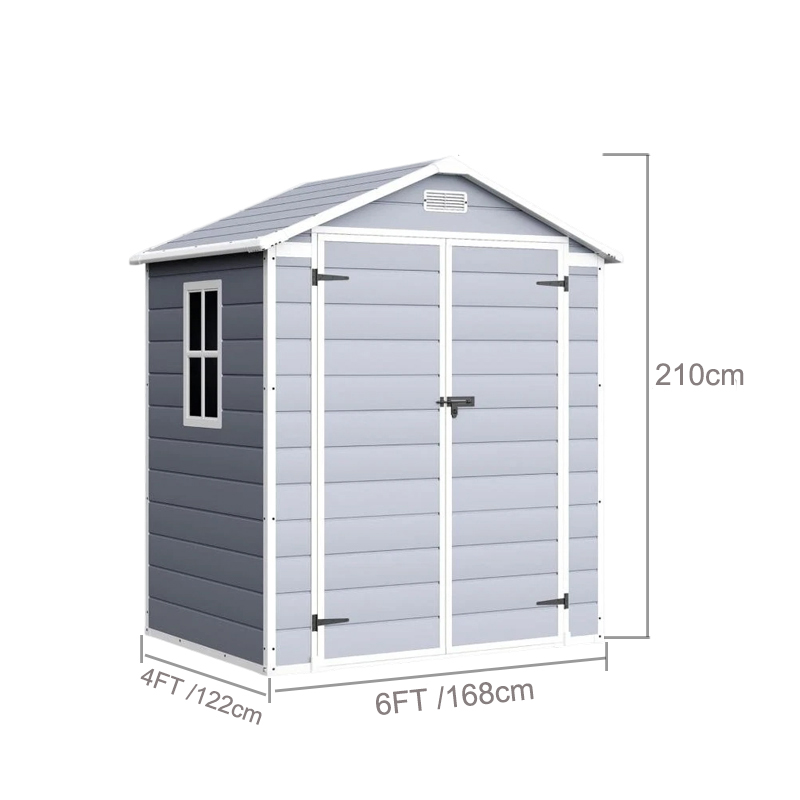
Modern synthetic composites dominate today's backyard market. A high-quality plastic garden shed uses high-density polyethylene (HDPE). This advanced polymer composite offers superior UV protection. It prevents exterior fading and structural brittleness. It requires absolutely zero maintenance over its lifespan. You never need to sand or paint it.
A durable resin storage shed delivers inherent rot resistance. Fungi and insects cannot digest plastic. Many modern models feature integrated, reinforced flooring solutions. They prevent destructive groundwater seepage completely. However, you must respect their specific structural limits. Standard resin roofs hold less snow load than heavy timber frames. Buyers living in northern regions should look for models featuring steel-reinforced roof trusses.
Material Type | Rot & Pest Resistance | Maintenance Required | Impact Tolerance |
|---|---|---|---|
Wood | Low (Requires treatment) | High (Painting, shingling) | High |
Metal | High (Pest-proof) | Medium (Rust prevention) | Low (Dents easily) |
Resin/Plastic | Excellent (Immune) | Zero to Low (Occasional wash) | Medium (Flexible panels) |
An empty room quickly devolves into a messy, unusable pile. When optimizing your storage shed outdoor setup, you must implement rigorous spatial rules. You need established systems to maintain order.
Divide your available floor plan logically. Implement these specific zones:
Active Use Zone: Place your most frequently accessed items directly near the door. Keep hand trowels and watering cans within arm's reach.
Seasonal Storage: Push holiday decor and bulky winter gear to the back corners. Access these items only twice a year.
Hazardous Materials: Store chemical fertilizers, herbicides, and combustible fuel in isolated, lockable cabinets. Keep them far away from bare metal tools.
Empty wall sections offer massive, untapped storage potential. Install heavy-duty pegboards for smaller hand tools. Mount magnetic metal strips for organizing loose drill bits. Use specialized hanging racks for long-handled tools. Shovels, rakes, and string trimmers should never lean loosely against corners. Suspending them vertically prevents damage and clears floor pathways.
Treat your ground-level floor space as a premium commodity. Reserve it exclusively for heavy, wheeled equipment. Riding mowers, heavy wheelbarrows, and bulky pressure washers belong safely on the ground. Install sturdy, slip-resistant entry ramps. Ramps ensure smooth, safe accessibility for rolling equipment.
Loose, unboxed items invite spiders and mice. Standardize your overall containment strategy immediately. Use clear, weather-tight, stackable plastic bins. Apply standardized, highly visible labeling to every individual container. This simple method prevents hidden moisture damage. It blocks destructive insect infiltration permanently.
Improper installation ruins expensive structures rapidly. You must address fundamental site risks before assembling any wall panels.
An outbuilding remains only as durable as its underlying base. You must build a perfectly level foundation. A poured concrete slab provides ultimate, long-term stability. Crushed gravel pads offer excellent, cost-effective water drainage. Treated wood frames work exceptionally well on moderately sloped terrain. Skipping this critical leveling step guarantees severe door misalignment. It causes permanent structural warping over time.
Trapped ambient humidity destroys expensive tools silently. You must address interior climate control aggressively. Install passive wall vents to encourage continuous airflow. Lay thick plastic vapor barriers securely under your gravel foundation. Consider adding solar-powered exhaust fans for active, daily ventilation. These proactive steps prevent pervasive tool rust and foul fabric mildew.
Local municipal regulations strictly govern outbuildings. Ignoring these rules invites costly legal friction. Always review your local code before purchasing.
Setback distances: Check the legally required empty space between your structure and adjacent property lines.
Height restrictions: Measure allowable roof peaks against municipal community codes.
Footprint limits: Verify the maximum allowable square footage for non-permitted outbuildings.
Permitting thresholds: Determine if your planned dimensions require a formal, paid building permit.
Purchasing the wrong unit wastes money and complicates your weekends. Follow this strict evaluation process.
Do not guess your sizing requirements. Calculate the exact cubic volume needed. Measure your current tool inventory first. Gather everything onto your driveway. Then, add a mandatory 20 percent future-growth buffer. Your storage needs will inevitably expand over the next five years.
Evaluate exterior door widths carefully. Single narrow doors restrict physical movement. Double doors accommodate the widest pieces of landscaping equipment comfortably. Measure your riding mower deck specifically before committing to a purchase. Ensure you have ample clearance space on both sides.
Protect your expensive investments proactively. Assess the manufacturing quality of lockable door hasps. Demand thick, reinforced steel hinges. Consider your exterior window placement carefully. Natural sunlight is incredibly helpful for daytime visibility. However, excessively large windows create visible, tempting security risks for thieves.
Factor in your delivery logistics beforehand. Understand the exact required assembly manpower. Many larger units require two capable adults for safe construction. Read the manufacturer warranty exclusions very closely. Many prominent brands void your warranty entirely if you skip proper foundation leveling.
A well-planned shed permanently transitions a yard from reactive clutter to proactive organization. It protects expensive assets from rust, UV rot, and theft. Always match your chosen structural material to your local climate realities. High-density resin handles exceptionally wet, corrosive environments beautifully. It spares you from endless painting chores. Take action today. Audit your current outdoor inventory thoroughly. Measure your available yard footprint accurately. Use these exact dimensions to begin your shortlisting process immediately.
A: Never store highly temperature-sensitive items outside. Extreme summer heat and freezing winter temperatures ruin specific liquid paints. Batteries lose their internal charge and leak battery acid. Delicate electronics suffer irreparable internal moisture damage. Paper goods attract nesting rodents and degrade quickly in humid environments. Keep these delicate materials inside your climate-controlled home.
A: Concrete provides the most robust, stable foundation available. However, it is not always strictly required. A properly leveled, compacted gravel pad often meets standard manufacturer specifications. Compacted paver bases also offer excellent underlying support. You must ensure the surface remains perfectly flat to prevent vertical wall warping.
A: You must prioritize continuous, active cross-ventilation. Install passive air vents high on opposite walls. Avoid storing wet lawn equipment or damp pool tarps inside. Use commercial chemical moisture absorbers during highly humid rainy seasons. Keeping the interior air dry prevents damaging tool rust and stubborn mildew growth.
A: It heavily depends on the structure's permanence. Custom-built, permanent sheds anchored to concrete slabs generally increase formal home appraisals. Temporary or easily movable resin units rarely boost official real estate value. However, attractive, highly organized outdoor storage greatly improves buyer appeal during residential home showings.