


Views: 0 Author: Site Editor Publish Time: 2026-07-03 Origin: Site


Buying a matching patio set feels safe, but it often looks incredibly generic. Retail showroom collections tend to lack personal flair. Conversely, blind mixing can easily lead to mismatched heights, clashing materials, and sheer aesthetic chaos. A disjointed dining setup ruins meals through awkward elbow angles and cramped legroom. Every time you try to slide forward, you bump your knees against the table frame.
A successful pairing carefully balances ergonomic clearance, weather-resistant material science, and deliberate visual contrast. It does this without ever sacrificing functional comfort. You need a reliable system to blend distinct pieces cohesively. This guide provides a definitive framework for outdoor furniture matching. We will cover crucial spatial ergonomics, the reliable 80/20 design rule, material compatibility, and mobile gear. You will learn exactly how to transform a chaotic patio into a unified, comfortable retreat.
Ergonomics First: Always secure a 10-to-12-inch clearance between the seat of the outdoor chair and the underside of the table.
The 80/20 Rule: Anchor 80% of your setup in a dominant style or material, reserving 20% for contrasting accent chairs.
Material Synergies: Pair warm materials (like teak or acacia) with cold industrial materials (powder-coated aluminum) for balanced aesthetics and optimized durability.
Portability Matters: For a camping setup, prioritize weight capacity and packable dimensions over rigid aesthetics, ensuring your portable table chair set aligns in folded footprint.
Comfort relies heavily on proper geometry. This is the non-negotiable rule of dining comfort. Standard patio tables measure 28 to 30 inches high. To sit comfortably, your outdoor chair must offer a seat height between 17 and 19 inches. This ratio guarantees a 10-to-12-inch vertical gap between the seat pan and the table. Legs need this precise room to move freely. A gap smaller than 10 inches creates a pinched, claustrophobic feeling. A gap larger than 12 inches forces you to raise your arms awkwardly while eating.
Furniture Component | Standard Measurement | Required Clearance Goal |
|---|---|---|
Standard Outdoor Table Height | 28 - 30 inches | 10 - 12 inches between seat and tabletop |
Standard Chair Seat Height | 17 - 19 inches | |
Table Apron Drop | 2 - 4 inches below tabletop | Minimum 7 inches above the knees |
Evaluating the slide-under capability saves enormous space. You must measure the highest point of the chair’s armrest. Compare this measurement against the table’s apron. The apron is the structural frame running directly beneath the tabletop. A collision here ruins the entire dining experience. If chairs cannot tuck away, they block walkways. This causes spatial crowding on your deck. Always ensure armrests sit at least one inch below the lowest point of the table apron.
You must calculate a minimum of 24 inches of table edge per chair. Overcrowding shrinks essential elbow room. It also makes the dining space visually heavy and cluttered. Scale matters just as much as physical dimensions. Follow these best practices for horizontal spacing:
Provide 24 inches of width per guest for standard dining.
Expand to 28 inches per guest if using oversized armchairs.
Leave at least 6 inches of empty space between adjacent chair frames.
Ensure a 36-inch clear pathway behind pulled-out chairs for easy traffic flow.
You want a custom look without creating a chaotic yard. Establish a baseline using either the table or the primary seating. This grounds the visual weight. For example, you might select a heavy, rustic farmhouse table as your anchor. This represents 80% of your aesthetic. The dominant choice dictates the primary material and the overall silhouette. It creates a calm, stabilizing foundation for your patio.
Once you establish the baseline, introduce contrast. Deploy your accents via end-cap chairs or specific material departures. Place two modern woven-rope chairs at the heads of a traditional wooden table. Leave the side seating perfectly matched to the table. This 20% accent breaks up the monotony. It prevents the setup from looking like a cheap showroom bundle. The accent pieces draw the eye naturally.
Contrast requires connection. To prevent the 20% from looking completely accidental, you need a shared attribute. Ensure one common thread links the mismatched pieces. This rule prevents disjointed styling.
Matching Leg Shapes: Pair a round-legged metal table with round-legged wooden chairs.
Identical Hardware: Match brass bolts on a wood table with brass caps on metal chairs.
Unified Fabrics: Tie vastly different chairs together using identical seat cushions.
Following this common thread principle turns a random assortment into a curated collection.
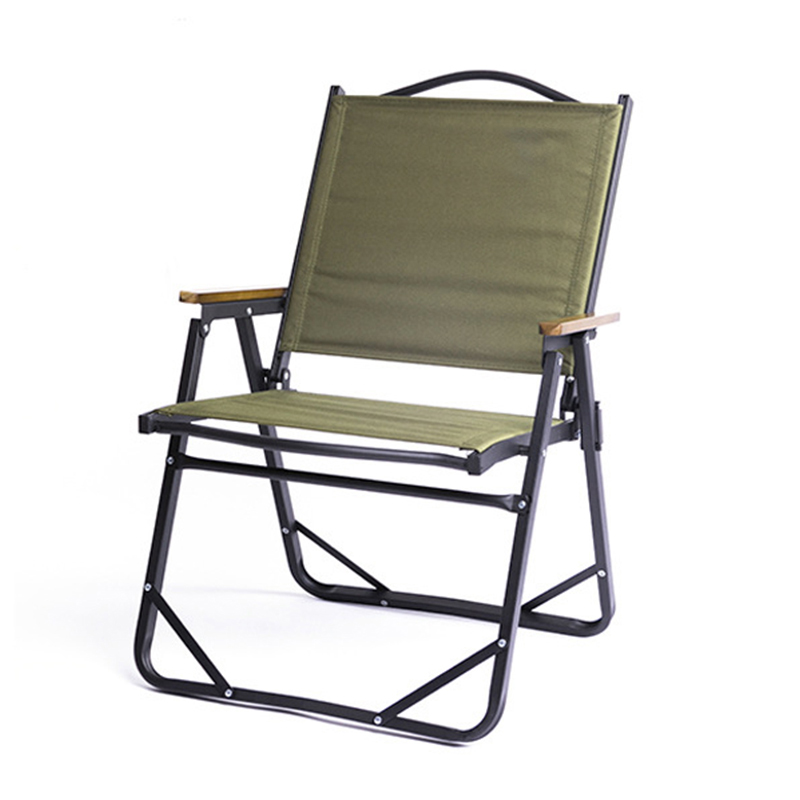
Combining the organic warmth of teak or acacia with the structural rigidity of metal works beautifully. This high-contrast approach modernizes traditional spaces. However, you must carefully evaluate risk considerations. Bare steel rusts rapidly outdoors. Rust stains permanently ruin concrete patios and wooden decks. Always specify powder-coated aluminum instead. Powder coating bakes a protective layer onto the metal. It resists chipping and handles harsh weather flawlessly.
Modern engineering offers fantastic alternatives to natural wood. High-Density Polyethylene (HDPE) tables provide extreme durability. They require zero sanding or staining. Pair an HDPE table with resin wicker chairs. The woven texture of the wicker softens the hard, synthetic look of the table. For this combination, verify one crucial evaluation dimension. Ensure the wicker contains built-in UV inhibitors. Sun exposure quickly degrades cheap plastics. UV inhibitors prevent brittleness and stop vibrant colors from fading.
Good design balances opposing forces. You must pair visually heavy tables with visually light seating. Consider a solid concrete table. It dominates a space entirely. Balance it cleverly by surrounding it with open-weave resin seating. Thin metal frames also lighten the mood effectively. This prevents the dining area from looking like a fortress. The space feels breathable and inviting.
Transitioning from stationary patio use to mobile environments requires a different mindset. You cannot drag heavy teak into the woods. A reliable camping setup requires smart engineering. Evaluate gear based on aerospace-grade aluminum frames and ripstop nylon fabrics. High-quality sets utilize X-cross bracing. This distributes weight evenly across the frame. A superior camping chair table set supports heavy loads effortlessly. Yet, it remains light enough to carry on your shoulder.
Folded dimensions matter just as much as expanded sizes. Chairs must nest efficiently inside your vehicle. Measure your trunk space before buying. Compare it carefully to a roll-top or folding table. A cohesive portable table chair set packs down uniformly. Avoid mixing long, awkward umbrella-fold chairs with wide, flat-folding tables. They will not stack together securely in transit.
Patios offer perfectly flat concrete. Campsites offer mud, gravel, and loose sand. Examine the feet of your furniture closely. Look for wide, anti-sink disc feet. These prevent legs from driving deep into soft ground. Match the chair feet to the table’s leg design.
Check for adjustable legs on the table to level it on slanted ground.
Verify chair feet feature textured grips for slippery rocks.
Ensure pivot mechanics in the feet can adapt to uneven dirt.
Your gear must perform equally well across all rugged outdoor topographies.
Do the table and chairs require different maintenance schedules? Wood requires seasonal sanding and regular oiling. Metal needs a simple hose down occasionally. Avoid high-maintenance mismatches. If you mix high-care wood with low-care metal, you complicate your weekend chores. Ensure all pieces match your personal willingness to perform seasonal upkeep.
Check the manufacturer warranties carefully. Look specifically for UV degradation and rust clauses. A premium table might carry a ten-year guarantee. Cheap accent chairs might only offer one year. Mismatched lifespans create costly problems down the road. You might find yourself replacing half the set prematurely. Seek out brands offering aligned guarantees across their entire catalog.
Never buy purely based on online photos. Map the dimensions on your patio before finalizing the purchase. Grab a roll of bright painter's tape. Mark the exact table size on your deck. Draw the fully pulled-out chairs around it. Walk around the taped borders. Verify the traffic flow. Ensure guests can pass easily behind the seating. This simple test prevents massive buyer's remorse.
Summary of Action: Successful matching is a calculated exercise in ergonomics, the 80/20 design ratio, and material durability. By measuring clearances, understanding visual weight, and checking weather compatibility, you eliminate the guesswork.
Final Recommendation:
Start by locking in your table's height and core material.
Apply the strict 10-to-12-inch clearance rule to filter out incompatible seating instantly.
Deploy the 80/20 rule to add visual contrast without causing chaos.
For mobile setups, prioritize nesting footprints and anti-sink feet over pure aesthetics.
Take your tape measure to the patio right now. Mark your ideal footprint, choose your dominant material, and start building your perfect outdoor retreat.
A: Yes, provided there is a distinct contrast rather than a "near-miss" match. Mixing light oak with dark walnut looks intentional and stylish. Mixing two slightly different shades of teak looks like a manufacturing error. Tie the contrasting tones together securely with a neutral outdoor rug.
A: Dark-painted steel and iron retain significant, uncomfortable heat. They will burn bare skin. Opt for light-colored powder-coated aluminum, which reflects heat efficiently. Alternatively, mitigate heat absorption by tying tailored, UV-resistant seat cushions to the metal frames.
A: Look for sets utilizing rigid X-cross frame bracing and 600D+ Oxford fabric. Cheap materials stretch and sag quickly. Check the static weight capacity carefully. Reliable camping chairs should easily support a minimum of 250 lbs despite their lightweight portability.


