

Views: 0 Author: Site Editor Publish Time: 2026-04-27 Origin: Site
What if your backyard storage space is actually doing more harm than good? Many homeowners assume that once something is placed in a Garden Shed, it is fully protected from weather and seasonal change. In reality, a Garden Shed can be a great year-round storage solution, but only if the right items are stored properly.
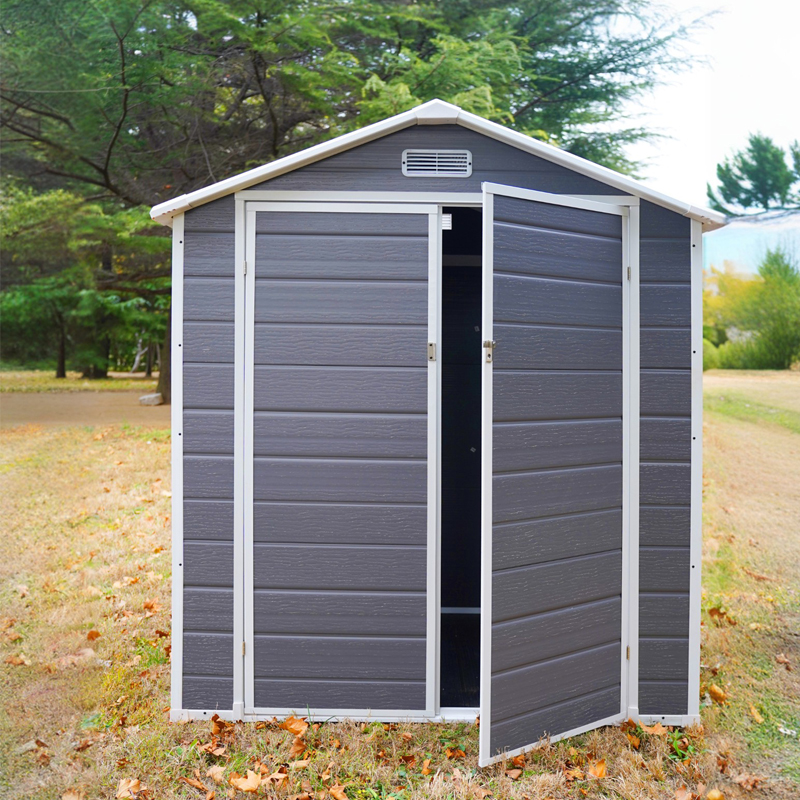
Many people make the mistake of putting everything from tools and bicycles to paint, pet food, and electronics into a Garden Shed without considering moisture, temperature changes, pests, or security. As a result, some items stay protected, while others may rust, spoil, or become damaged.
In this post, you’ll learn what can be safely stored in a Garden Shed all year round, what should not be kept there long term, and how to organize your shed for safer and more reliable storage.
A modern Garden Shed is no longer just a small building for a shovel and a watering can. Today, a Garden Shed is often used as a full outdoor storage solution for tools, maintenance equipment, bicycles, seasonal items, outdoor furniture, sports gear, and backyard accessories. For many households, the Garden Shed has become a practical extension of the home, especially when garage space is limited.
The value of a Garden Shed lies in convenience and protection. A good Garden Shed helps keep frequently used outdoor items close at hand while protecting them from direct rain, strong sunlight, dirt, and unnecessary wear. It also helps homeowners keep patios, lawns, garages, and walkways more organized.
However, the usefulness of a Garden Shed depends on two things. First, the structure itself must be suitable for year-round storage. Second, the items stored inside the Garden Shed must be appropriate for the conditions. A Garden Shed can store many products safely, but it is not the same as a climate-controlled room inside the house. Understanding that difference is essential.
A Garden Shed is best suited to items that are made for outdoor use, can tolerate temperature changes, or can remain safe when protected from direct weather exposure. In other words, the ideal Garden Shed storage items are practical, durable, and not highly sensitive to humidity or changing seasons.
The most common role of a Garden Shed is storing outdoor tools and equipment. That remains true today, but the range has expanded. A well-designed Garden Shed now supports year-round storage for many categories, including garden tools, lawn machinery, bikes, patio accessories, and seasonal decor.
The suitability of a Garden Shed also depends on its design. A weather-resistant Garden Shed with proper ventilation, a raised floor, a lockable door, and organized shelving will protect more items more effectively than a basic shed with poor airflow and no internal structure. That is why safe storage in a Garden Shed always depends on both the item and the shed itself.
A Garden Shed can safely hold a wide variety of products throughout the year when the space is dry, organized, and reasonably ventilated. Below are the main categories most suitable for a Garden Shed.
This is the most obvious and most dependable use of a Garden Shed. Shovels, spades, rakes, pruning tools, hoes, trowels, forks, and watering cans are all classic Garden Shed items. These products are designed for outdoor work, so a Garden Shed is a natural place to keep them protected and easy to access.
To keep tools in better condition inside a Garden Shed, it helps to clean dirt off metal surfaces and avoid leaving wet tools directly on the floor. Hooks, racks, and wall-mounted storage can make a Garden Shed more efficient while also reducing rust risk.
A Garden Shed is also ideal for storing lawn mowers, grass trimmers, leaf blowers, hedge cutters, extension cords, and hoses. These are among the most practical items for a Garden Shed, especially because they are bulky enough to crowd a garage or patio area.
Before placing powered equipment in a Garden Shed, it is best to clean grass and debris off the machines and make sure surfaces are dry. A well-maintained Garden Shed protects this equipment from direct weather and helps extend usability.
Many households use a Garden Shed to store bicycles, children’s scooters, push carts, and small yard transport tools. A Garden Shed is especially useful for these items because it provides weather protection and helps free up space inside the home or garage.
A secure Garden Shed with a lockable door is particularly important for bicycles. If the Garden Shed includes floor anchoring points or wall hooks, it becomes even more effective for bicycle storage.
A Garden Shed is often a smart place to store foldable chairs, small outdoor tables, umbrellas, cushions in sealed bins, patio covers, and weather-resistant furniture accessories. These are excellent Garden Shed items because they are outdoor-related yet still benefit from added protection during wet or cold months.
Not all furniture belongs in a Garden Shed, however. Indoor furniture made from delicate fabrics or untreated wood is usually a poor match. The best candidates for a Garden Shed are outdoor-grade items that simply need cleaner, drier storage between uses.
Empty pots, planters, spare trays, plant supports, seedling accessories, and general planting tools can all be safely stored in a Garden Shed. This makes the Garden Shed especially valuable for garden enthusiasts who want all working supplies in one location.
Some gardening materials need more caution. For example, loose bagged products can absorb moisture if the Garden Shed is damp. A cleaner, ventilated Garden Shed with shelves and sealed bins makes this category much safer to store long term.
A Garden Shed can work very well for balls, nets, helmets, rackets, camping gear, folding wagons, fishing equipment, and other bulky recreational accessories. These are common Garden Shed items because they are often too large or too dirty for indoor storage but still need protection from weather.
For families, this is one of the most useful roles of a Garden Shed. The right Garden Shed keeps all outdoor activity gear in one place and makes it easier to keep the backyard tidy.
A Garden Shed is a practical place for outdoor holiday decor, string light storage, garden party accessories, lanterns, banners, and temporary event items. These are ideal Garden Shed products when packed into labeled bins and stored off the floor.
Because these items are usually used only a few times a year, a Garden Shed helps free valuable indoor storage space while keeping them accessible.
A Garden Shed is useful, but it is not suitable for everything. Some items should not remain in a Garden Shed year-round because of fire risk, moisture sensitivity, temperature instability, or pest attraction.
Computers, televisions, speakers, precision tools, camera equipment, and many battery-powered electronics are not ideal for a Garden Shed. Even if the Garden Shed looks sealed, temperature swings and humidity changes can shorten lifespan or cause damage.
A Garden Shed is also a poor place for delicate chargers, sensitive battery packs, or equipment that depends on climate-controlled conditions. These items are better stored indoors.
Many liquid products are not good long-term Garden Shed items. Paint, adhesives, some sealants, and chemicals can degrade when exposed to freezing winters or very hot summers. Some materials may also become unsafe in a poorly ventilated Garden Shed.
The same caution applies to harsh solvents and hazardous chemicals. Even if the Garden Shed has space, safety should come first.
Food should generally not be stored in a Garden Shed all year. This includes pantry food, bird seed, and animal treats. A Garden Shed can attract insects and rodents if edible materials are stored there, even in packaging.
If a homeowner must keep these in a Garden Shed temporarily, sealed pest-resistant containers are essential, but indoor storage is usually the safer option.
A Garden Shed is not the right place for documents, photos, books, family records, or indoor-use fabrics. Even a good Garden Shed can experience humidity shifts, condensation, and pest exposure that put these materials at risk.
Likewise, clothing, rugs, decorative cushions, and other delicate household textiles should not stay in a Garden Shed long term unless they are fully sealed and the storage conditions are exceptionally controlled.
Gasoline, propane cylinders, and highly flammable materials should be handled according to local safety rules and stored only in appropriate conditions. A general-purpose Garden Shed should not automatically be treated as a safe place for hazardous products.
The reason some items work well in a Garden Shed and others do not comes down to the storage environment. A Garden Shed faces outdoor conditions all year, which means internal storage safety depends on temperature, moisture, pests, and security.
Moisture is one of the biggest hidden threats in a Garden Shed. Condensation can form inside a Garden Shed when temperatures shift between day and night or between seasons. Over time, that can affect metal, cardboard, fabric, paper, and wood.
This is why a well-ventilated Garden Shed is so important. If a Garden Shed has better airflow and a dry base, it becomes safer for tools, bicycles, and outdoor accessories.
A Garden Shed may become very hot in summer and very cold in winter. These changes matter because they affect plastics, liquids, rubber, batteries, and adhesives differently. A durable Garden Shed protects against direct rain and sun, but it does not fully eliminate seasonal temperature change.
A Garden Shed can attract insects or rodents if the space is cluttered, damp, or filled with food-related materials. Clean organization is one of the best ways to make a Garden Shed safer year-round.
Storage Category | Safe in a Garden Shed All Year? | Notes |
Hand tools | Yes | Best when dry and organized |
Lawn equipment | Yes | Clean before storage |
Bicycles | Yes | Better in a lockable Garden Shed |
Outdoor furniture | Usually yes | Best for outdoor-grade items |
Seasonal decor | Yes | Use sealed bins if possible |
Sports gear | Yes | Keep grouped and elevated |
Electronics | No | Too sensitive to moisture and temperature |
Food | No | May attract pests |
Important documents | No | Moisture risk is too high |
Paint and some chemicals | Usually no | Temperature changes can damage contents |
A Garden Shed becomes much more useful when storage is planned properly. Good setup can expand the range of items a Garden Shed can safely hold.
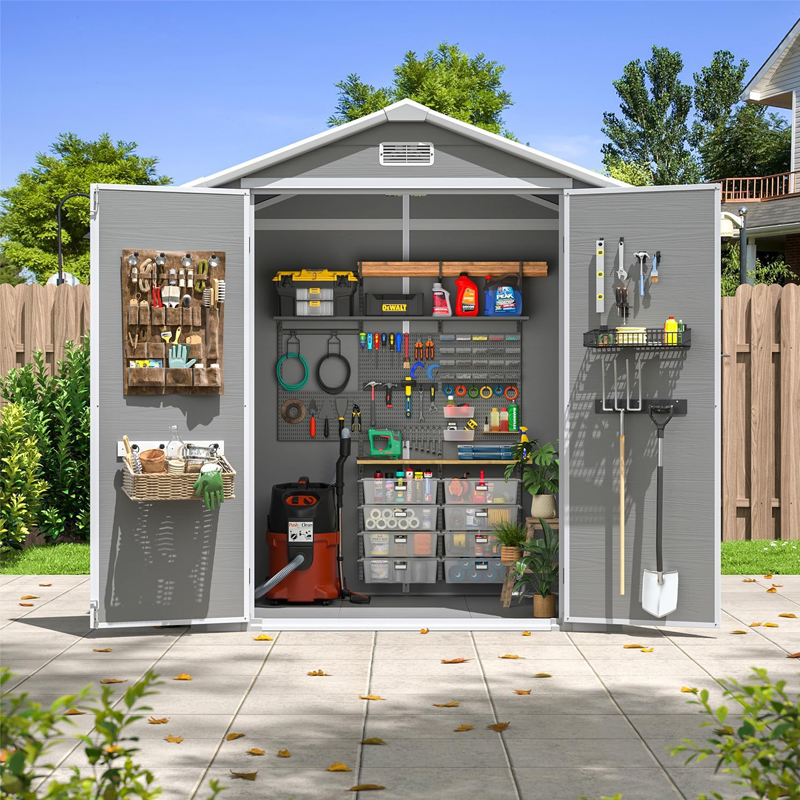
Shelves turn a basic Garden Shed into a more efficient system. By moving items off the floor, a Garden Shed becomes safer for boxes, bins, tools, and recreation gear. Wall hooks also make a Garden Shed better for long-handled tools and bicycles.
Plastic bins with lids are one of the easiest upgrades for a Garden Shed. They help protect smaller items from dust, moisture, and insects. In a family Garden Shed, sealed bins are especially useful for seasonal decorations, sports accessories, and gardening supplies.
A dry floor changes how well a Garden Shed performs. If the Garden Shed has a raised base, treated floor, or moisture barrier, more categories of items can be stored with confidence. Even in a strong Garden Shed, it is better not to leave cardboard or fabric directly on the floor.
Ventilation makes a major difference in a Garden Shed. A better-ventilated Garden Shed reduces condensation risk, helps surfaces dry faster, and supports safer year-round storage.
A zoned Garden Shed is easier to use and safer to maintain. One side of the Garden Shed can be for tools, another for bikes, and another for bins or seasonal products. This helps prevent clutter and improves accessibility.
Different users will expect different things from a Garden Shed, so storage strategy should match lifestyle.
For the average homeowner, a Garden Shed is best used for yard tools, lawn equipment, hoses, cleaning accessories, bicycles, and seasonal decorations. These are the most dependable year-round Garden Shed categories.
A garden-focused Garden Shed should prioritize hand tools, empty pots, plant supports, watering accessories, trays, and maintenance products. A well-organized Garden Shed makes planting work faster and cleaner.
A family Garden Shed often works best for sports gear, patio accessories, children’s outdoor toys, folding furniture, and event supplies. A multi-zone Garden Shed is especially useful here.
In a compact Garden Shed, vertical organization matters most. A small Garden Shed should store high-frequency essentials first, such as tools, a hose, and a few bins.
A larger Garden Shed can support bigger categories, including mowers, bicycles, multiple shelves of accessories, and more extensive seasonal storage. In this case, the Garden Shed becomes a true backyard utility space.
Area of the Garden Shed | Best Items to Store | Why |
Lower area | Heavy equipment, mower, bins, bikes | Better stability and easier lifting |
Wall hooks | Rakes, shovels, hoses | Saves floor space |
Shelves | Small tools, gloves, accessories | Easier access and cleaner organization |
Sealed bins | Seasonal decor, small sports items, spare parts | Better dust and moisture protection |
Near the door | Frequently used items | More convenient daily access |
A safer Garden Shed is an organized Garden Shed. Heavy items should stay low. Frequently used tools should remain easy to reach. Smaller products should be grouped by category. Moisture-sensitive items that are still suitable for the Garden Shed should be kept in bins and off the floor. These simple habits make a Garden Shed more practical all year.
Today’s buyers expect more from a Garden Shed than basic shelter for tools. A modern Garden Shed is increasingly expected to offer better ventilation, stronger weather resistance, easier maintenance, improved security, and more flexible interior storage options. Many buyers also want a Garden Shed that fits modern backyard aesthetics while still performing as a hardworking utility product.
That is why features such as lockable doors, vents, weather-resistant panels, raised floors, and better internal layout potential are becoming more important when people evaluate a Garden Shed. The question is no longer only how big a Garden Shed should be. Buyers also want to know how effectively a Garden Shed can protect belongings through every season.
Not every Garden Shed creates the same storage environment. Material choice affects maintenance, weather resistance, and long-term storage safety.
A metal Garden Shed is often valued for strength, durability, and resistance to pests. A resin Garden Shed is often appreciated for lower maintenance and good weather resistance. A wooden Garden Shed may offer a traditional appearance, but it usually requires more care to maintain year-round performance.
No matter the material, a better-built Garden Shed will generally provide more reliable protection. Strong doors, stable framing, good roof design, dry flooring, and effective ventilation all help a Garden Shed function better through changing seasons.
A Garden Shed is not just a product of panels and fasteners. It is a storage solution that must perform outdoors over time. Buying from a professional Garden Shed manufacturer helps ensure better quality control, more durable materials, and more practical structural design.
For wholesalers and brands, a reliable Garden Shed manufacturer can also offer OEM and ODM support, more consistent production standards, and better solutions for different climates and market needs. For end buyers, that means a Garden Shed that performs more reliably in real backyard conditions.
As a professional manufacturer, Suzhou Maitop understands that a well-designed Garden Shed should do more than add storage space. It should help homeowners store the right items more safely, more neatly, and with more confidence all year round.
A Garden Shed can safely store many products all year round, including tools, lawn equipment, bicycles, outdoor furniture, seasonal decorations, gardening supplies, and sports gear. The key is understanding that a Garden Shed works best for items that can tolerate outdoor-adjacent conditions while still benefiting from shelter, security, and organization. As a professional manufacturer, Suzhou Maitop is committed to providing Garden Shed solutions that help protect these everyday outdoor essentials more effectively.
At the same time, not everything belongs in a Garden Shed. Electronics, food, delicate paper items, and many temperature-sensitive products are usually better stored indoors. The safest year-round Garden Shed strategy comes from matching the right items with the right shed conditions.
When a Garden Shed is well built, properly ventilated, organized with shelves and bins, and designed for real outdoor use, it becomes one of the most practical storage spaces a homeowner can own. A high-quality Garden Shed from Suzhou Maitop is not just extra space. It is a smarter way to protect outdoor essentials throughout every season.
The safest items for a Garden Shed are usually hand tools, lawn equipment, bicycles, outdoor furniture accessories, seasonal decorations, and sports gear. These categories generally tolerate Garden Shed conditions well when stored clean and dry.
Yes, a lawn mower is one of the most common Garden Shed storage items. It should be cleaned, dried, and positioned properly inside the Garden Shed to stay in better condition.
Yes, many outdoor furniture items can be safely stored in a Garden Shed, especially foldable or weather-resistant pieces. A Garden Shed is especially useful during off-season months.
A Garden Shed is generally not ideal for food, sensitive electronics, important documents, or other highly temperature-sensitive or moisture-sensitive items. These are usually safer indoors.
To make a Garden Shed safer, improve ventilation, keep the floor dry, use shelves and sealed bins, reduce clutter, and choose a lockable Garden Shed with durable weather-resistant construction.


