

Views: 0 Author: Site Editor Publish Time: 2026-04-20 Origin: Site
What if the wrong tent turns a great trip into a frustrating one? A beautiful campsite and a capable vehicle are not enough if your sleeping setup is heavy, hard to open, or unsuited to your travel style. Choosing the right Rooftop Tent is about comfort, safety, weather protection, and overall convenience.
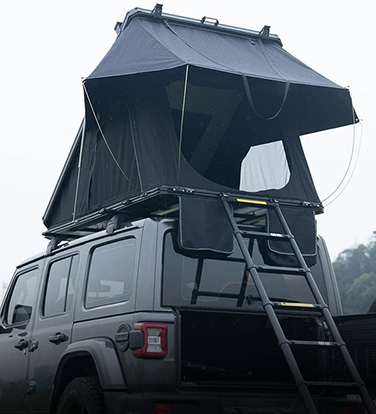
In this post, you’ll learn how to choose the best Rooftop Tent by comparing tent types, checking vehicle compatibility, evaluating size and weight, and focusing on the features that matter most.
A Rooftop Tent has become one of the most attractive sleeping solutions for modern campers because it solves several problems at once. Instead of spending time searching for flat, dry ground, travelers can deploy a Rooftop Tent above mud, gravel, wet grass, or uneven terrain. Instead of packing a complicated shelter every time the weather changes, they can close a quality Rooftop Tent quickly and keep moving.
Another reason buyers prefer a Rooftop Tent is convenience. A good Rooftop Tent is faster to use than many traditional ground tents, especially for weekend travel, overlanding routes, and road trips with multiple stops. When you only have two or three days to escape the city, a Rooftop Tent can help you spend less time setting up camp and more time enjoying the destination.
A Rooftop Tent also offers a different experience. It feels more secure, more organized, and more elevated in every sense. For couples, families, and solo travelers alike, the right Rooftop Tent creates a sleeping system that feels intentional rather than improvised. That is exactly why the market keeps evolving toward lighter, faster, and more user-friendly Rooftop Tent designs.
The best Rooftop Tent for one buyer may be completely wrong for another. Before comparing materials, shell types, and ladder designs, start by asking a simple question: how will you really use your Rooftop Tent?
If you mostly take weekend camping trips, your ideal Rooftop Tent should be easy to open, easy to close, and simple to live with. You may not need an expedition-grade structure with every premium accessory. A practical Rooftop Tent with dependable waterproof fabric, a comfortable mattress, and straightforward mounting hardware may be the smartest choice.
If you are into overlanding or off-road travel, your Rooftop Tent must do more. In that case, a Rooftop Tent needs stronger materials, better weather protection, reliable hardware, and a design that performs well on rough roads. Long-distance travel puts more pressure on a Rooftop Tent, so durability becomes a top priority.
If your trips are family-focused, then interior space matters more than marketing language. A family Rooftop Tent should provide enough sleeping room, better airflow, easy ladder access, and ideally optional annex space for changing, storage, or added shelter.
If you usually travel alone or with one partner, a compact Rooftop Tent may be the best answer. A smaller Rooftop Tent is often lighter, easier to mount, and more aerodynamic, which makes daily driving more practical.
Adventure Style | Best Rooftop Tent Focus | Why It Matters |
Weekend camping | Fast setup, moderate price, easy storage | Short trips demand convenience |
Overlanding | Durability, weather resistance, stronger hardware | Long routes need reliability |
Family road trips | More sleeping space, annex options, comfort | Families need room and flexibility |
Solo or couple travel | Lightweight build, compact size, quick deployment | Smaller setups are easier to handle |
All-season travel | Better insulation, waterproofing, ventilation | Conditions change quickly outdoors |
One of the most common mistakes buyers make is choosing a Rooftop Tent first and checking fit later. In reality, vehicle compatibility should come before nearly every other decision. Even the best Rooftop Tent cannot perform well if the vehicle roof, roof rack, or crossbar system is not suitable.
Start with roof load capacity. You need to understand both dynamic load and static load when evaluating a Rooftop Tent. Dynamic load refers to what the vehicle roof system can safely support while driving. Static load refers to what it can support when the vehicle is parked and the Rooftop Tent is open. This distinction is essential when choosing a Rooftop Tent, especially for heavier hard shell designs.
Next, check the roof rack or crossbar system. A Rooftop Tent is only as secure as the structure supporting it. Buyers should confirm crossbar spacing, mounting compatibility, rack load ratings, and whether the vehicle manufacturer allows a Rooftop Tent on that specific roof type.
Vehicle size matters too. A Rooftop Tent should match the proportions of the vehicle. An oversized Rooftop Tent can create awkward overhang, reduce driving comfort, and complicate access. On the other hand, a properly sized Rooftop Tent looks balanced, drives better, and usually performs better in wind.
Many buyers choose a Rooftop Tent based only on advertised sleeping capacity. That is not enough. A “2-person” Rooftop Tent may technically fit two adults, but whether it feels comfortable depends on body size, sleeping habits, bedding, and how much gear stays inside.
A compact Rooftop Tent works well for solo travelers and minimalist couples. It saves weight and often improves fuel efficiency. However, if you like more shoulder room or travel with extra bedding, a slightly larger Rooftop Tent may be worth it.
A medium Rooftop Tent is often the most versatile option for couples and flexible weekend travelers. It offers more comfort without becoming too large for common SUVs and trucks.
A larger Rooftop Tent is the better choice for families or buyers who want maximum interior space. Keep in mind that a large Rooftop Tent may weigh more, require stronger roof support, and affect installation and handling.
When choosing Rooftop Tent size, think beyond sleeping bodies. Think about pillows, sleeping bags, movement, ventilation, and whether you want children or pets inside the Rooftop Tent as well.
This is the comparison every buyer asks about, and the answer depends on how you travel.
A hard shell Rooftop Tent is popular because it opens faster, closes faster, and usually has a cleaner profile on the road. A hard shell Rooftop Tent is often ideal for frequent travelers, overlanders, and buyers who value convenience. It can also provide better aerodynamic performance and stronger protection against weather during transport.
A soft shell Rooftop Tent is usually more cost-effective and often offers more sleeping area for the price. A soft shell Rooftop Tent can be a great option for families, casual campers, and buyers who want strong value without moving into a premium hard shell category.
Feature | Hard Shell Rooftop Tent | Soft Shell Rooftop Tent |
Setup speed | Usually faster | Usually takes longer |
Road profile | More aerodynamic | Bulkier when packed |
Price | Often higher | Often more affordable |
Interior space | Efficient but sometimes narrower | Often roomier for the price |
Best for | Frequent travel, overlanding, fast camp setup | Family camping, value-focused buyers |
If you move camp often, a hard shell Rooftop Tent may save you time every single trip. If you want more room and a lower starting budget, a soft shell Rooftop Tent may give you better overall value. The best Rooftop Tent is not the one that sounds more advanced. It is the one that matches your actual routine.
A Rooftop Tent can look impressive in photos and still become annoying in real use. That is why setup time matters so much. After a long drive, especially in wind, rain, or darkness, no one wants to wrestle with a complicated Rooftop Tent.
A buyer-friendly Rooftop Tent should have a clear opening mechanism, stable ladder geometry, reliable hinges, and simple closure steps. Gas struts, intuitive folding systems, integrated storage design, and well-positioned straps can make a major difference in the user experience of a Rooftop Tent.
For new campers, the best Rooftop Tent is often the one that feels easiest to understand on day one. For experienced travelers, an efficient Rooftop Tent reduces fatigue and saves time across dozens of trips. In both cases, usability directly affects satisfaction.
A Rooftop Tent should do more than keep out light rain. A quality Rooftop Tent should handle changing weather, temperature swings, wind exposure, and condensation risk.
Look closely at fabric performance. A serious Rooftop Tent should use durable tent fabric, quality seam sealing, dependable waterproof coatings, and a rainfly design that makes sense for the climate. If your customers camp in varied conditions, a Rooftop Tent must be marketed and built around real weather use, not just showroom appearance.
Ventilation is equally important. Without good airflow, a Rooftop Tent can feel stuffy in summer and damp in cooler weather. Large mesh windows, balanced vent placement, and thoughtful rainfly spacing help a Rooftop Tent stay more comfortable. Buyers often focus on shell style and forget this part, but ventilation may shape the real sleeping experience more than they expect.
For all-season travel, a Rooftop Tent should balance insulation, airflow, and structural weather resistance. A four-season Rooftop Tent is not just about thicker fabric. It is about the total design working together.
If you are a serious buyer or a distributor, material quality should never be an afterthought. Two tents may look similar online, but their long-term performance as a Rooftop Tent can be dramatically different depending on frame strength, shell structure, hardware quality, and textile durability.
A reliable Rooftop Tent should use a strong frame, stable base, heavy-duty hinges, durable zippers, and secure mounting components. In hard shell models, shell rigidity and sealing quality matter. In soft shell models, cover material, stitching precision, and folding support matter just as much.
This is also where an experienced Rooftop Tent manufacturer adds value. A professional factory understands fabric selection, structural testing, hardware consistency, and production control. A better Rooftop Tent is not created by appearance alone. It comes from repeatable manufacturing standards, careful quality inspection, and a product development process built around real outdoor use.
For OEM and ODM buyers, this matters even more. If you are sourcing a Rooftop Tent under your own brand, you need confidence not only in the sample, but in batch consistency, lead times, packaging standards, and after-sales support.
A Rooftop Tent is still your bedroom. Performance matters, but comfort matters too. The right mattress thickness, a breathable interior, useful storage pockets, skylights, shoe bags, USB-friendly lighting spaces, and annex options can all improve the daily experience of a Rooftop Tent.
This is especially important for longer trips. A Rooftop Tent used for one night a month may not require premium comfort. But a Rooftop Tent used repeatedly across road trips and overlanding routes should feel livable, not merely functional.
Interior design is often underestimated. A well-designed Rooftop Tent should make it easy to reach essentials, open windows, move around, and manage bedding. Even small details can elevate the value of a Rooftop Tent from “good enough” to truly enjoyable.
Every Rooftop Tent adds weight and wind exposure to the vehicle, so buyers should think about daily practicality as well as campsite comfort. A lightweight Rooftop Tent can be easier to install, easier to remove, and more compatible with a broader range of vehicles. That is why demand for lighter Rooftop Tent designs continues to grow.
At the same time, the lightest Rooftop Tent is not always the best Rooftop Tent. Buyers should balance weight against durability, interior space, weather resistance, and long-term reliability. A poorly built lightweight Rooftop Tent can create more problems than it solves.
Storage profile matters too. Some buyers leave a Rooftop Tent mounted for long periods. Others remove the Rooftop Tent between trips. In both cases, packed dimensions, shell shape, and handling weight are worth considering before purchase.
A low price can attract clicks, but it does not always indicate a smart Rooftop Tent purchase. The true value of a Rooftop Tent comes from how long it lasts, how easily it works, how well it protects the user, and how often it genuinely gets used.
When comparing options, buyers should not ask only, “What is the cheapest Rooftop Tent?” They should ask:
● How durable is the frame and shell?
● Is this Rooftop Tent easy to open and close?
● Does it include the features I will actually use?
● Is the mattress comfortable enough for real trips?
● Does the manufacturer support quality, warranty, and spare parts?
A better Rooftop Tent may cost more upfront, but it often saves money over time by reducing replacement risk, maintenance frustration, and disappointing travel experiences.
Today’s buyer is not just looking for shelter. They want a Rooftop Tent that fits a broader outdoor lifestyle. That means a Rooftop Tent may need to support short weekend escapes, scenic road trips, overlanding travel, flexible work-and-travel routines, and increasingly comfort-oriented camping expectations.
As a result, the most attractive Rooftop Tent designs today usually combine several qualities at once: faster setup, lower weight, cleaner aerodynamics, better weather sealing, improved ventilation, and accessory compatibility. Buyers also pay more attention to practical details such as integrated storage, annex options, lighting convenience, and refined exterior design.
For brands and manufacturers, this trend creates a clear message. A successful Rooftop Tent is no longer sold only on ruggedness. It is sold on usability, comfort, trust, and the ability to support different adventure styles with confidence.
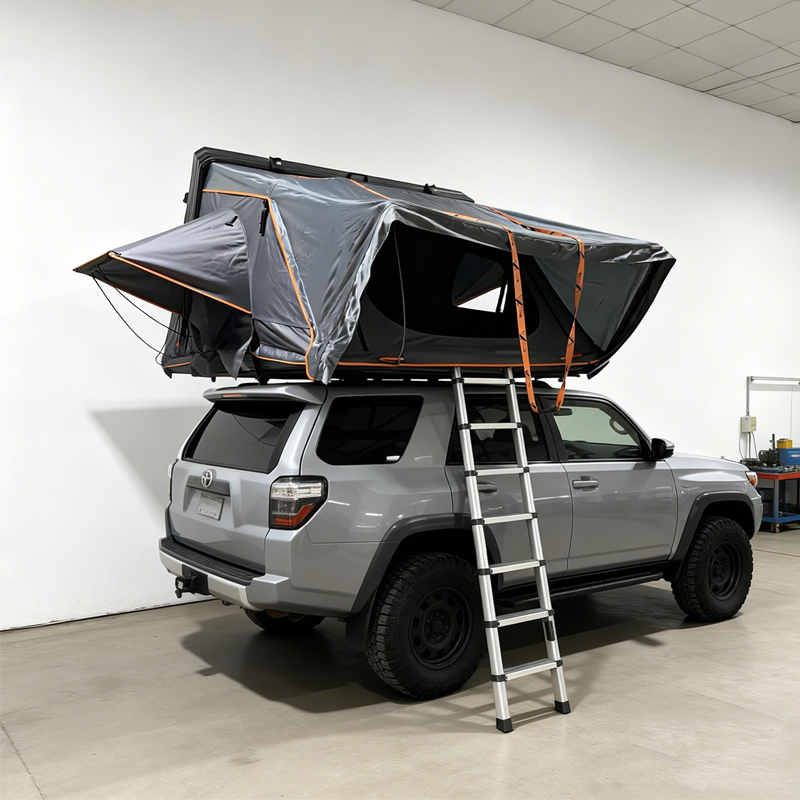
Before purchasing a Rooftop Tent, every buyer should go through a final checklist:
● Is the Rooftop Tent compatible with my vehicle roof and rack system?
● Is the Rooftop Tent weight suitable for my vehicle?
● Does the Rooftop Tent size fit my travel group comfortably?
● Do I need a hard shell or soft shell Rooftop Tent?
● Will this Rooftop Tent perform well in my usual weather conditions?
● Is the Rooftop Tent easy enough to open, close, and maintain?
● Does the manufacturer behind the Rooftop Tent have strong quality control?
● Does the Rooftop Tent offer comfort features that matter for my trips?
If a buyer can answer those questions clearly, choosing the best Rooftop Tent becomes much easier.
The best Rooftop Tent for any adventure is not defined by trends, price, or appearance alone. The right Rooftop Tent should fit your vehicle, match your travel style, suit your group size, and perform well in the conditions you face. Choosing a trusted manufacturer like Suzhou Maitop also helps ensure reliable quality and practical outdoor performance.
Whether you need a compact Rooftop Tent for weekend trips, a family Rooftop Tent for road travel, or a durable Rooftop Tent for overlanding, the key is to choose based on how you actually travel. With the right balance of compatibility, comfort, and durability, every trip becomes easier and more enjoyable.
Choose a Rooftop Tent based on the number of sleepers, your preferred comfort level, and how much interior space you want for bedding or children. A larger Rooftop Tent can improve comfort, but it may also add weight and require a stronger roof system.
A hard shell Rooftop Tent is usually faster to set up and more aerodynamic, while a soft shell Rooftop Tent is often more spacious and more affordable. The better Rooftop Tent depends on your travel frequency, budget, and space needs.
Not every vehicle is suitable for a Rooftop Tent. Buyers must check roof load limits, rack compatibility, roof design, and manufacturer guidance before installing a Rooftop Tent.
A high-quality Rooftop Tent can perform well in a wide range of conditions, but performance depends on waterproof fabric, seam construction, ventilation, shell design, and overall build quality.
Look for a Rooftop Tent manufacturer with strong quality control, reliable materials, stable production standards, OEM or ODM capability if needed, responsive support, and experience designing a Rooftop Tent for real outdoor use.


